

Wisdom Teeth Extraction Parker Co
At Green Dental Care in Parker, CO, we specialize in wisdom teeth extractions, providing expert care with a focus on comfort, safety, and quick recovery. Whether your wisdom teeth are causing pain, crowding, or infection, our team is here to help.
Why Do Wisdom Teeth Need to Be Removed?
Wisdom teeth, also known as third molars, often cause problems because they don’t have enough room to grow properly. This can lead to Impacted wisdom teeth (trapped beneath the gums), pain and swelling, crowding or shifting of other teeth and Infections or cysts. Removing wisdom teeth early can prevent future complications and protect your oral health.
Sedation Options for a Stress-Free Procedure
We understand that dental surgery can feel intimidating, which is why we offer sedation dentistry to keep you comfortable during your wisdom teeth removal. Our options include:
- Local Anesthesia – Numbs the area for a pain-free experience
- IV Sedation – A deeper level of sedation for relaxation during the procedure
- Oral Sedation – Medication taken before the appointment for anxiety relief
Our team will discuss the best sedation option for you based on your comfort level and medical history.
What to Expect After Wisdom Teeth Extraction
Proper post-operative care is essential for a smooth recovery. After your procedure, we provide detailed aftercare instructions to help you heal quickly and minimize discomfort. Key recovery tips include:
✔️ Rest and avoid strenuous activity for at least 24 hours
✔️ Use cold compresses to reduce swelling
✔️ Stick to soft foods and stay hydrated
✔️ Avoid using straws to prevent dry socket
✔️ Follow all prescribed pain management and oral hygiene recommendations
We also use Platelet-Rich Fibrin (PRF), an advanced healing technique that can help speed up recovery and reduce discomfort after surgery.

Frequently Asked Questions
The total appointment time for a Wisdom Teeth Extraction can vary slightly depending on the patient and the complexity of the teeth, but the procedure itself is generally quicker than many people expect.
According to Dr. Matt Siracusa, the process typically begins with oral sedation, which helps ensure you remain comfortable and relaxed throughout the procedure. Patients usually arrive about one hour before surgery so the medication has time to take effect. This medication helps you feel calm and sleepy and often has an amnesia effect, meaning many patients remember little or nothing about the procedure itself.
Once the sedation has taken effect, the dental team will administer nitrous oxide (laughing gas) and numb the treatment area thoroughly. These steps ensure you remain comfortable and pain-free during the procedure.
The actual wisdom teeth extraction surgery typically takes about 30 to 45 minutes for the dentist to remove the wisdom teeth. In many cases, all four wisdom teeth can be removed within that timeframe.
When you combine the sedation preparation time and the surgical procedure, most patients can expect their visit to last approximately 1.5 to 2 hours total.
After the surgery is complete, you will be escorted to the person who is driving you home. Because of the sedation medication, you will not be able to drive yourself. Many patients go home and spend the remainder of the day resting or sleeping.
Recovery after Wisdom Teeth Extraction is usually quicker than patients expect, although everyone heals at a slightly different pace.
In most cases, patients start to feel significantly better within three to four days after surgery. However, it’s normal for certain symptoms—especially swelling and discomfort—to follow a predictable healing timeline.
Here is a typical recovery progression:
First 24 hours
- Rest is recommended.
- Mild bleeding or oozing may occur.
- Patients usually take prescribed pain medication and antibiotics.
Days 2–3
- This is usually when swelling and discomfort reach their peak.
- Many patients notice facial swelling during this time, sometimes described humorously as looking like a “chipmunk.”
- Ice packs and medications can help manage symptoms.
Days 3–4
- Pain and swelling usually begin to gradually decrease.
- Patients often start feeling much more like themselves.
After the first week
- Most patients are largely back to their normal routines.
- Healing continues internally even though symptoms have mostly improved.
Dr. Siracusa typically schedules a follow-up visit one to two weeks after surgery. During this appointment, he checks that everything is healing properly and removes any stitches if they were placed during the procedure.
Overall, while healing continues beneath the surface for several weeks, most patients feel largely recovered within just a few days.
Immediately after your Wisdom Teeth Extraction, the dental team will help you transition out of sedation and ensure you are stable and comfortable before leaving the office.
Because sedation medications are used during the procedure, you may feel sleepy, groggy, or slightly disoriented. This is completely normal. You will need a friend or family member to drive you home, and most patients spend the rest of the day resting.
Your dentist will typically provide or prescribe several medications to support recovery, which may include:
- Pain medication to manage post-surgical discomfort
- Antibiotics to help prevent infection
- Anti-inflammatory medications or steroids, which are often administered during sedation to reduce swelling and pain immediately after surgery
These medications help make the recovery process more comfortable and support proper healing.
You may also experience:
- Mild bleeding from the extraction sites
- Swelling in the cheeks or jaw
- Temporary numbness from the anesthetic
Resting at home and following your dentist’s aftercare instructions are important during this time. Patients are usually advised to stick with soft foods and plenty of fluids on the day of surgery.
While the first day is mostly about rest, the most noticeable swelling often occurs two to three days after the procedure, which is a normal part of the healing process.
Good oral hygiene is still important after Wisdom Teeth Extraction, but it needs to be done carefully to protect the healing surgical sites.
The good news is that you can brush your teeth right away, even on the same day as your surgery. However, there are a few important precautions to keep in mind.
When brushing your teeth after wisdom teeth removal:
- Avoid brushing directly over the extraction sites in the back of the mouth.
- Brush gently and carefully.
- Focus on keeping the rest of your teeth clean.
One of the most important things to avoid during early healing is vigorous rinsing, swishing, or spitting. These actions can disturb the blood clot that forms in the extraction site.
That clot plays a critical role in healing. If it becomes dislodged, it can lead to a painful condition called dry socket, which occurs when the bone and nerves underneath the socket become exposed.
To reduce the risk of dry socket, patients should:
- Avoid aggressive mouth rinsing
- Avoid forceful spitting
- Follow all post-operative instructions provided by their dentist
As healing progresses, your dentist will guide you on when it is safe to resume normal brushing and rinsing habits.
While not everyone needs their wisdom teeth removed, many patients benefit from early evaluation. Wisdom teeth can sometimes grow in improperly, become impacted, or cause crowding and other dental problems.
Dr. Siracusa explains that when wisdom teeth are detected early—often during the teenage years—it can sometimes be easier to remove them before they fully develop or cause complications.
However, if wisdom teeth have fully erupted and are not causing problems, removal may not be necessary. In those cases, dentists may simply monitor them during routine exams.
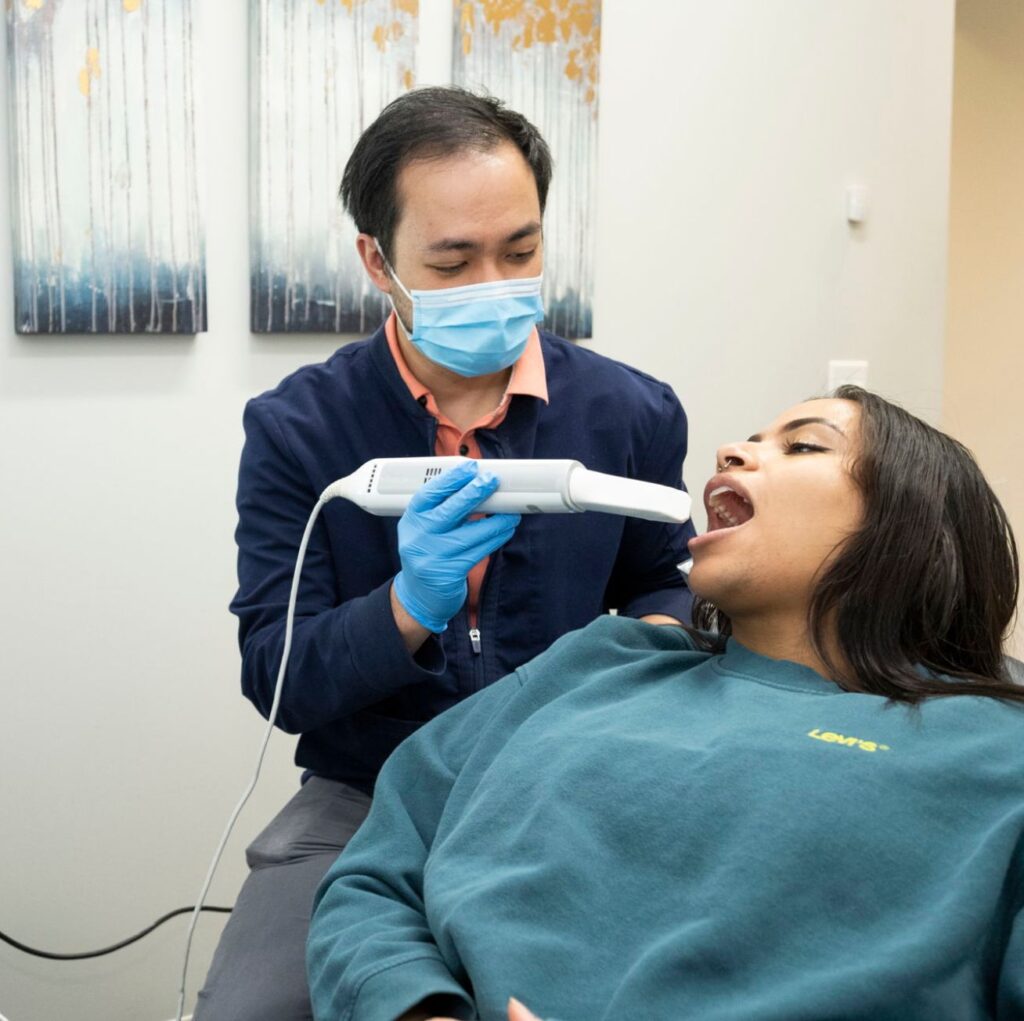
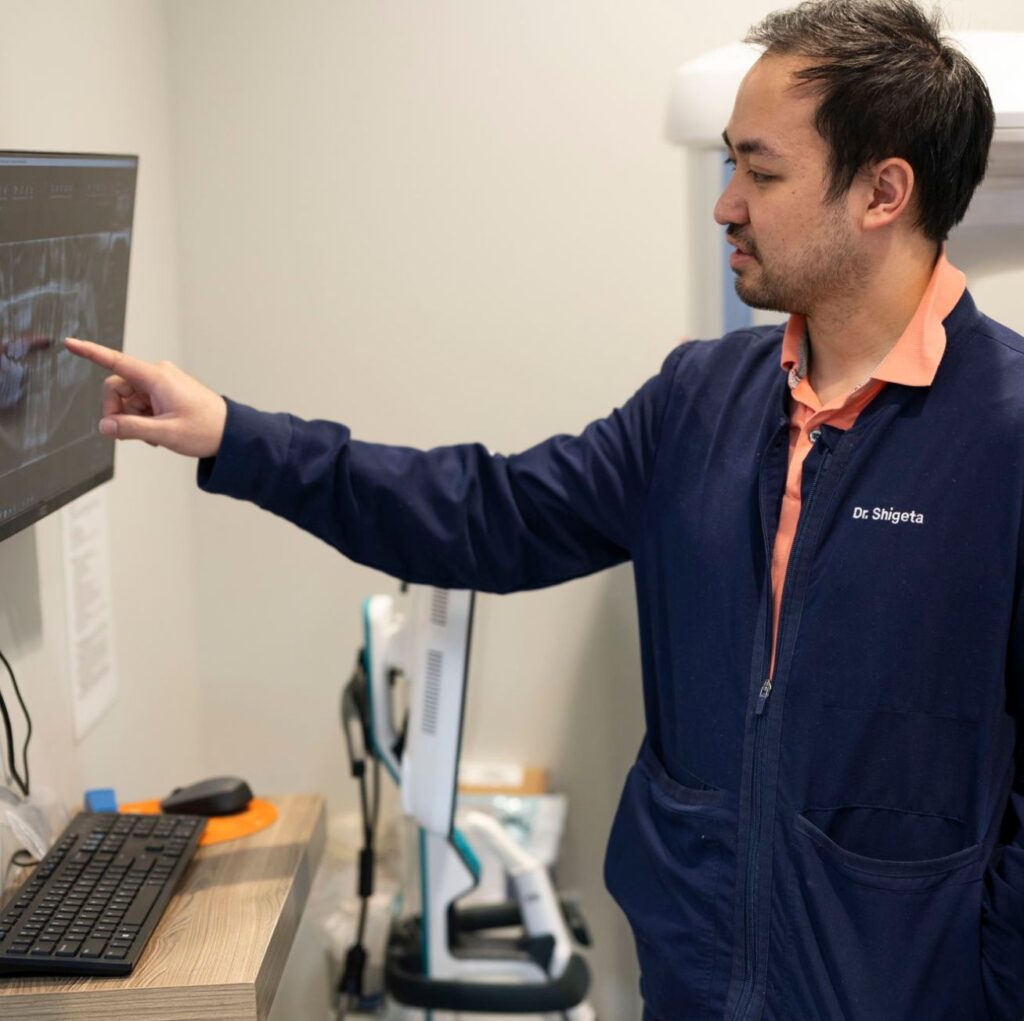
The first step in determining whether removal is needed is scheduling a consultation appointment. During this visit, your dentist will typically take specialized dental X-rays to evaluate:
- The position of the wisdom teeth
- Their relationship to surrounding teeth
- Potential risks or complications
Based on this evaluation, the dentist will discuss treatment options, sedation choices, and whether the procedure can be performed in-office or should be referred to an oral surgeon.