
Tooth-Friendly Holiday Treats

tooth-friendly holiday treats - Green Dental Care

Tooth-Friendly Holiday Treats

tooth-friendly holiday treats - Green Dental Care

The amount of sugar that you and your family consume plays a key role in dental health problems. The amount of sugar consumed on a daily basis often shoots up dramatically over the holiday season, and that in turn triggers a range of dental problems, such as cavities and gum infections. This year, Green Dental Care in Parker, CO, would like you and your family to enjoy the holidays, but we strongly encourage you to eat healthy snacks and meals. Here are some tooth-friendly holiday treats that you can be on the lookout this holiday season.

Gingerbread

Most sugar cookies have a huge load of added sugar, but you can opt for gingerbread. Typically, gingerbread requires less than half a cup of sugar. Dr. Christopher Green, the best dentist in Parker, CO, explains that gingerbread cookies have a lot of fiber, which is good for your overall health.

Almond Cookies

The dental care experts at Green Dental Care point out that almonds are great for your health. For this reason, you should consider trying out cookie recipes that contain almonds. Almond-based cookies are great for your health and contain a lot less sugar than other cookies.

Pumpkin Pies

Pumpkin pies, a common treat during the holidays, can be one of the healthiest snacks that your family can enjoy! Only as long as you set aside the whipped cream. Pumpkin pies contain lots of fiber. To make sure you’re sticking to tooth-friendly holiday treats, the dental health professionals at Green Dental Care recommend that you make your own pumpkin pies at home. That way, you can decide how much sugar you add. 

Chocolate-Covered Strawberries

Our friend, Dr. Tim Lyons, an orthodontist in Fair Oaks, CA, recommends chocolate-covered holidays because what would the holidays be without the color red? Hard to imagine! Well, your family can get all the red they need in strawberries. These berries have a huge load of nutrients, especially vitamins. Strawberries are the perfect healthy snack for the whole family! If you want something sweeter, try dipping your strawberries in dark chocolate! Dark chocolate is an excellent source of antioxidants.

Tweak the Holiday Meals Too

Let’s not forget that choosing healthy meals are just as important. It’s difficult during the holidays because so many of our favorite dishes contain high sodium and sugar. For example, Dr. Christopher Green singles out sweet potato recipes as typically containing marshmallows and caramelized brown sugar. To make such recipes more tooth-friendly, avoid adding the marshmallows or the caramelized brown sugar to keep the meal tasty but having less sugar.

Cranberry sauce can also be a good ingredient to use in your holiday meals, especially if you use it in a low-sugar recipe. Cranberries are good for the teeth because they kill oral bacteria, thereby keeping cavities and periodontal disease at bay.

Moderation is Key

Dr. Christopher Green, a Parker CO dentist, wants you to keep one more thing in mind during the holidays. Moderation is necessary. Since the consumption of large amounts of low-sugar treats can also have a detrimental effect on your dental and overall health. Once the holidays are over, visit Green Dental Care. Dr. Christopher Green will assess your dental health and fix any dental problems that developed during the holidays.


The Benefits of Fluoride Treatments

The Benefits of Fluoride Treatments

benefits of fluoride treatments

Fluoride is a naturally-occurring mineral that has been discovered to have protective effects on teeth. This substance can be put on your teeth as a gel, mouth rinse or varnish. Once on the surface of your teeth, it soaks into the tubules (tiny holes) in order to kill any bacteria there and strengthen the enamel of your teeth. In this article, you’ll discover why you need to get fluoride treatments at Green Dental Care at least twice each year.

Why Fluoride Treatments are Good for You

Remineralization. Fluoride treatments help to restore minerals to tooth surfaces that have had these minerals eroded by acidic food and drinks. Bacterial activity also erodes tooth surfaces, and regular fluoride treatments at Green Dental Care can help to restore those minerals so that the teeth retain or regain their strength.

Prevents cavities. Fluoride also helps to combat tooth decay in both children and adults. We asked our friend, Dr. Ben Kacos, a dentist in Shreveport, LA, about the benefits of fluoride. Dr. Kacos explains that fluoride goes in and kills any bacteria which is lodged in the tubules of your teeth. The fluoride also fills the tiny microscopic holes formed in the initial stages of tooth decay. This prevents the decay from progressing into the deeper layers of the teeth.

Reducing the cost of dental care. The modest fee that you pay for a fluoride treatment at Green Dental Care in Parker, CO pays off massively in the savings you make on dental care costs. The protective effects of the fluoride on your teeth mean that you will have fewer caries or tooth decay, and that means that the money you would have spent on treatment for these conditions is saved.

Preserves your perfect smile. As already mentioned, fluoride protects your teeth from various problems, such as gum recession due to gingivitis and teeth discoloration since the fluoride fills the tubules and makes it harder for stains to form. Regular fluoride treatments at Green Dental Care, therefore, increase the odds of having your beautiful smile for your entire life.

Preventing teeth sensitivity. As enamel is eroded due to bacterial activity and acidic eats and drinks, the soft dentine is exposed and your teeth can become sensitive each time you consume hot or cold substances. Fluoride gets into the tiny pits formed in your teeth and prevents the softer dentine from being exposed, hence averting sensitivity.

How Often Should I Get a Fluoride Treatment?

For most patients, Dr. Chris Green recommends that they get a fluoride treatment once every six months. However, the frequency of treatments can vary depending on a variety of factors. For instance, Parker, CO dentists recommend that people who face a higher risk of caries, such as those with poor oral hygiene habits and those with limited or no saliva production, get fluoride treatments once every three months. For some people, even a single fluoride treatment in 12 months may suffice.

The exact frequency of fluoride treatments that you need will, therefore, be determined after Dr. Chris Green examines your teeth and recommends the best frequency of treatments for you.

How Are the Fluoride Treatments Done?

The most common way through which a fluoride treatment is administered at Green Dental Care is by “painting” it on the surface of your teeth. This layer of fluoride stays on your teeth for 4-6 hours before you can brush your teeth to remove the excess fluoride.

Fluoride treatments can also be administered by the use of a tray which is fitted onto your teeth for the required duration. Your dentist in Parker, CO will then remove the tray and ask you to brush your teeth.

Alternatively, the Parker, CO dentist may give you a fluoride mouthwash and ask you to rinse your teeth with it for a few seconds after which you spit out the liquid. After a set interval, you can brush your teeth once the fluoride has penetrated the surface of your teeth.

How Soon Can I Eat After a Fluoride Treatment?

Dr. Chris Green may ask you to wait for about 30 minutes before you eat anything. This precaution is intended to prevent what you eat from washing away the recently applied fluoride on your teeth.

However, it is also possible to eat right away after you have had a fluoride treatment as long as you don’t consume anything very hot or sticky. The hot food or drinks may melt the fluoride from your teeth, while the sticky eats can adhere to the fluoride and remove it from the surface of your teeth.

As you can see, fluoride treatments are simple, yet packed with benefits for your oral health. Contact Green Dental Care today if you haven’t had a fluoride treatment in more than six months. Our friendly staff will clean your teeth and administer this protective treatment so that you can enjoy a lifetime of good dental health.

Must-Knows About Periodontal Disease

Periodontics-Gum-Disease-colorado

Must-Knows About Periodontal Disease

Periodontics-Gum-Disease-colorado

What You Should Know About Periodontal Disease

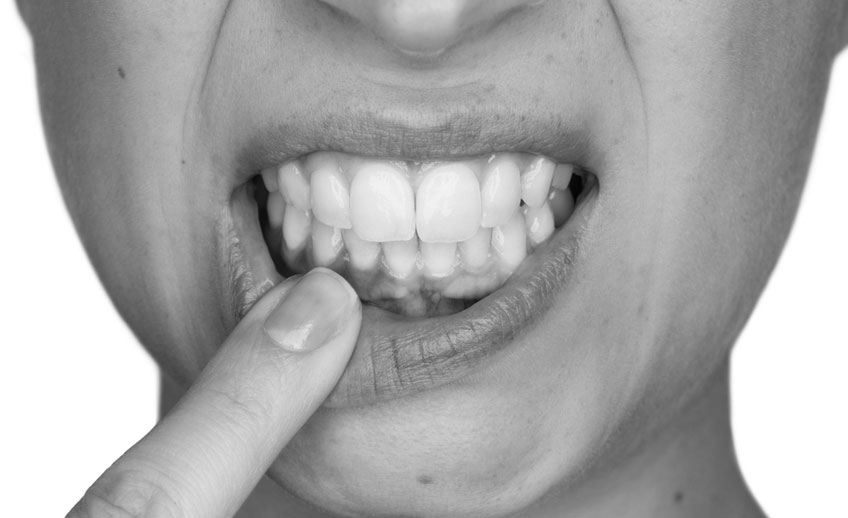
Periodontal disease is a common infection which damages the gums and alveolar bone surrounding one’s teeth. If left untreated, the condition can worsen and cause you to lose the affected teeth, in addition to causing other systemic health problems, such as heart disease. At Green Dental Care, we take this infection very seriously and take the following measures to address it.

The Preliminary Examination

As soon as you come in with a suspected case of periodontal disease, Dr. Green will take some gum measurements to ascertain the size of the gingival pockets. Gingival pockets are the gaps between one’s teeth and gums. If this pocket measures 3mm or less, you are regarded as normal. Bigger pockets which are 4-5mm wide signal gingivitis (the initial stage of periodontal disease). If your dentist in Parker, CO finds that your gingival pockets exceed 5mm, you will be categorized as someone suffering from periodontal disease and in need of urgent treatment.

Another step taken during your initial assessment entails getting intraoral images using a camera. These images reveal where plaque and calculus (tartar) have accumulated around your teeth.

Dr. Chris Green will also order dental x-rays in order to view the condition of the teeth beneath the gumline. The roots of your teeth have soft bone coverings called alveolar bone. Periodontal disease gradually eats away at this bone tissue in an irreversible process. The x-rays help to show to what extent this damage has occurred.

Treating Periodontal Disease

Once all this information has been gathered, Dr. Chris Green will design an appropriate treatment plan to address the specific magnitude of the gum disease. The following are some of the steps taken to treat periodontal disease at Green Dental Care in Parker CO.

Root Planing and Scaling: Root planing and scaling refers to the process by which a dental scaler or ultrasonic instrument is used to remove bacterial pockets and plaque or tartar from beneath the gumline. The objective is to prevent periodontal disease from getting worse. Scaling smoothens the surfaces from which bacteria has been removed so that further colonization doesn’t take place. This treatment procedure is done after administering a local anesthetic to deal with any pain triggered during the procedure.

Medication: Your dentist in Parker, CO may also opt to use medication alongside root scaling and planning as a way to treat periodontal disease. The medications range from prescription antibiotics, antibiotic gels, and prescription mouthwashes and rinses. These target the microorganisms in your gums and teeth in order to bring down inflammation and allow the gums to heal.

Surgery: Some severe cases of periodontal disease may require surgical intervention in order to treat the infection. For example, the professionals at Green Dental Care may recommend flap surgery as the only feasible way to remove the bacteria which is lodged deep within your gum tissue. Flap surgery can also be performed to remove a section of the gum so that what is left fits optimally on the tooth affected by periodontal disease. Tissue and bone grafts may also be performed to cover the parts of roots which have been exposed as a result of periodontal disease.

Regardless of the treatment option selected, Dr. Chris Green will advise you to pay additional attention to your oral care at home. This added vigilance is necessary to prevent recolonization by bacteria.

Your treatment may also require several visits, especially if the problem was extensive. If one visit is enough, another follow-up visit may be scheduled after three months to clean out the gingival pockets and to monitor how well you are healing. Don’t miss this follow-up visit because you will not know whether additional treatment is required or what you received was sufficient.

As already mentioned, the initial stage (gingivitis) of periodontal disease can be reversed by paying more attention to your oral hygiene. As the disease progresses, it causes damage which is irreversible. Contact Green Dental Care and schedule an appointment as soon as you suspect that you could be having periodontal disease. The sooner you commence treatment, the higher the chance that the disease will be stopped before it causes extensive damage to your oral health.