
The Art of Root Canal Therapy

The Art of Root Canal Therapy

The Art of Root Canal Therapy

The Art of Root Canal Therapy

How Green Dental Care Ensures Pain-free and Effective Treatment

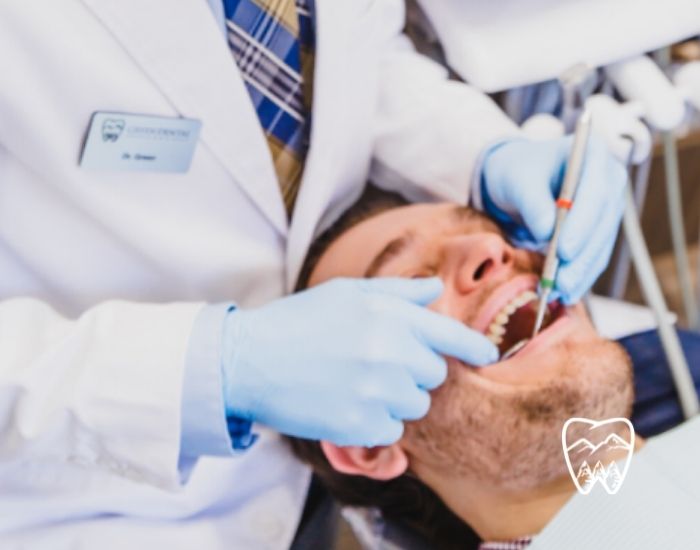
For many, the words “root canal” can evoke anxiety and fear. However, at Green Dental Care, we believe in demystifying this common dental procedure. Root canal therapy, when performed by skilled professionals, can be a pain-free and effective solution for saving a damaged or infected tooth. In this blog, we’ll explore the artistry behind root canal therapy and how our expert team at Green Dental Care ensures a comfortable and successful experience for our patients.

Understanding Root Canal Therapy

Root canal therapy, also known as endodontic treatment, is a procedure designed to treat the interior of a tooth when its pulp (the soft tissue containing nerves and blood vessels) becomes infected or inflamed. This inflammation is often the result of deep decay, cracks, or trauma to the tooth. If left untreated, it can lead to severe pain, abscess formation, and even tooth loss.

The Artistry of Painless Treatment

Thorough Diagnosis:

  • Before any treatment begins, our team conducts a comprehensive examination, including digital imaging, to accurately diagnose the extent of the infection. A precise diagnosis is crucial for effective treatment planning.

Patient Education:

  • We believe in empowering our patients with knowledge. Before the procedure, our team takes the time to explain the root canal process, dispelling myths and addressing any concerns. This step helps alleviate anxiety and fosters a sense of collaboration between the patient and the dental team.

Local Anesthesia:

  • Pain management is a top priority. Local anesthesia is administered to numb the affected tooth and surrounding tissues, ensuring that the patient remains comfortable throughout the procedure.

Advanced Technology:

  • At Green Dental Care, we invest in cutting-edge dental technology. Our use of rotary instruments and electronic apex locators enhances the precision and efficiency of the root canal procedure, minimizing discomfort and reducing treatment time.

Gentle Techniques:

  • Our skilled practitioners employ gentle and refined techniques during the procedure. The careful removal of infected pulp, thorough cleaning of the root canals, and meticulous shaping ensure the success of the treatment.

Restoration with Precision:

  • Following the root canal, the tooth is restored to its natural function and appearance. Our team utilizes high-quality materials and advanced restoration techniques to ensure a seamless and durable result.

Committed to pain-free dentistry

Root canal therapy, often considered an art within the realm of dentistry, is a crucial procedure for preserving a tooth and maintaining optimal oral health. At Green Dental Care, our commitment to pain-free dentistry and patient-centered care ensures that root canal therapy is not a source of anxiety but rather a solution for relieving pain and restoring the health of your smile.

If you’re experiencing tooth pain or suspect you may need a root canal, don’t hesitate to reach out to our experienced team at Green Dental Care. We’re here to guide you through the process with compassion, expertise, and a commitment to your overall well-being.


Signs You Need A Root Canal

Signs You Need A Root Canal

Signs You Need A Root Canal

When To Consider A Root Canal

A root canal is a common procedure that dental patients may need to consider at some point in their life. This treatment is recommended for deep cavities, infections, or pulp inflammation in a tooth. But how can you tell if you actually need a root canal? Let’s discuss some of the signs that point to this dental treatment.

Painful Toothache

One of the most common signs that you may need a root canal is a painful toothache. Tooth pain while biting and sensitivity to hot/cold foods may signal a tooth pulp infection. It’s important to consult with your Parker CO dentist if you are having any type of pain in your mouth.

Discoloration of Teeth

Another indication that you may need a root canal is discoloration or darkening of your teeth. Discoloration may indicate bacterial build-up in your tooth, suggesting the start or spread of an infection. Your dentist in Parker CO will examine these areas closely during regular checkups but it’s important for patients to be aware of any changes in coloration between visits.

Swollen Gums

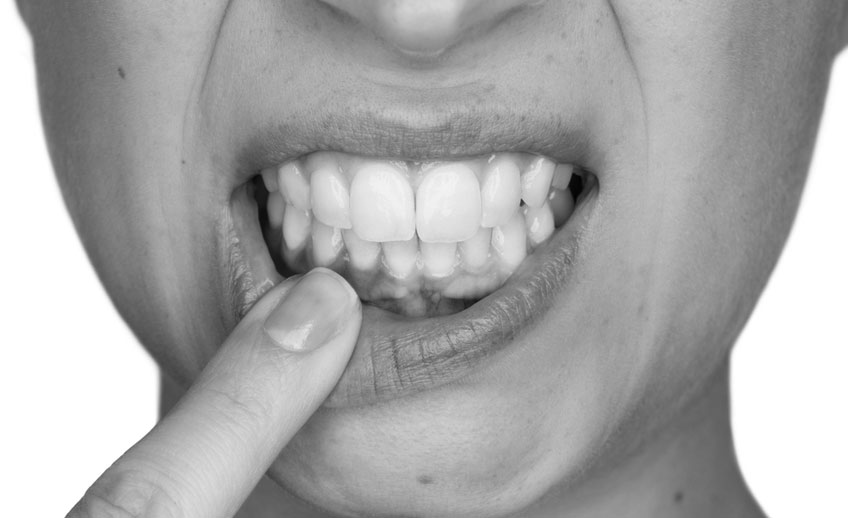
Swollen gums may signal a potential need for a root canal, suggesting an infection near the tooth roots. Swollen gums, though common with gum disease, shouldn’t be ignored, as they might indicate a more serious underlying issue. If swelling persists after treating existing conditions like gum disease or cavities, it could mean that bacteria has infiltrated further into the roots and needs immediate attention from your dentist near you.

Contact Us Today!

At Green Dental Care, we empathize with the discomfort of toothaches and related issues, such as potential infections or tooth discolorations. Call us if you notice changes in your oral health for timely diagnosis and treatment, preventing permanent damage from prolonged exposure or untreated conditions. Contact us today for help determining whether a root canal might be right for you!

Best Treatments For Teeth Sensitivity

Best Treatments For Teeth Sensitivity

Best Treatments For Teeth Sensitivity

Best Treatments For Teeth Sensitivity

Treating Teeth Sensitivity at Green Dental Care in Parker CO

Teeth sensitivity can be a real annoyance. Whether it’s drinking cold water or eating something sweet, many people experience pain and discomfort in their teeth. Fortunately, there are treatments available to help reduce the sensitivity. Here is a guide to understanding what causes teeth sensitivity and some of the best treatments available.

Causes of Teeth Sensitivity

Exposed dentin, beneath the enamel, typically causes tooth sensitivity. Enamel erosion or gum recession exposes dentin, causing tooth pain and discomfort. Enamel erosion can result from abrasive brushing, acidic foods, teeth grinding, and medical conditions like acid reflux.

Fluoride Treatment

One of the simplest and most effective methods for reducing tooth sensitivity is to apply fluoride directly to your teeth. Fluoride strengthens the enamel of your teeth, making them less sensitive to hot or cold temperatures. Regular applications of fluoride can also help reduce plaque buildup, which can lead to gum disease and further sensitivity. Your dentist can apply a fluoride gel or varnish directly to your teeth for maximum effectiveness.

Desensitizing Toothpaste

There is a variety of desensitizing toothpaste on the market that contains ingredients specifically designed to reduce tooth sensitivity. Choose products containing potassium nitrate or strontium chloride—they’ve been shown to lessen tooth sensitivity with regular use. Use desensitizing toothpaste alongside regular brushing and flossing for effective results; it’s not enough on its own!

Root Canal Treatments

If home remedies and over-the-counter solutions don’t provide relief from persistent tooth sensitivity, your dentist in Parker CO may suggest a root canal treatment as a solution. Root canal treatments clean infected root canals, sealing off decay or injury-related cavities. This procedure will effectively eliminate any nerve sensation inside the affected tooth, greatly reducing its sensitivity going forward. Since this is a more invasive treatment option, discuss it thoroughly with your dentist near you before proceeding.

Contact Us Today!

Always consult a qualified dentist before attempting any self-treatment for sensitive teeth. At Green Dental Care in Parker CO we offer an extensive selection of treatments designed specifically for dealing with sensitive teeth, so contact us today if you have any questions about which one might work best for you! We look forward to helping you get back on track toward better oral health!

Can I Replace My Metal Dental Filling?

Can I Replace My Metal Dental Filling?

Can I Replace My Metal Dental Filling?

dental fillings post op instructions - Green Dental Care

Dental fillings are used to restore the function and appearance of teeth that have been damaged by decay. Metal fillings are made from a variety of materials, including gold, silver, and mercury amalgam. While metal fillings are strong and durable, they can also be visible when you smile or talk. For this reason, many people choose to replace their metal fillings with tooth-colored composite fillings. Composite fillings are made from plastic resin and are matched to the color of your natural teeth. In addition to being more aesthetically pleasing, composite fillings also bond more strongly to your teeth than metal fillings. As a result, they can provide greater support for teeth that have been damaged by decay. If you are considering replacing your metal filling, be sure to consult with the best dentist in Parker CO to find out if composite is the right choice for you.

Why Would You Need To Replace Your Metal Dental Fillings?

Most people will experience a cavity at some point in their lives. Cavities occur when bacteria drill into the enamel of your teeth. Over time, the bacteria make the hole bigger and deeper. Eventually, if it isn’t treated, it will cause you pain. Fillings are used to treat cavities. They help to restore the function and appearance of your tooth. Fillings are made from a variety of materials, including gold, silver, composite resin, and porcelain. The type of filling that is best for you will depend on the location and size of the cavity. Therefore, our friends at 4th Street Family Dentistry, dentist in St. Petersburg, believe fillings are an effective way to treat cavities and prevent further damage to your tooth.

How Would You Replace Them

Metal fillings are one of the most common methods of restoring teeth that have been damaged by decay. However, over time they can become loose and fall out, leaving the tooth vulnerable to further damage. When this happens, you will need to have the filling replaced. The first step is to schedule an appointment with your dentist in Parker CO. They will examine the tooth and determine if it is strong enough to support a new filling. If so, they will clean out the cavity and prepare it for the new filling. Then, they will place the new filling and shape it to match your natural tooth. Finally, they will polish the filling to give it a smooth, natural appearance. With proper care, your new filling should last for many years.

The Benefits Of Dental Fillings 

You may not realize it, but your teeth are actually slightly flexible. When you chew, your teeth bend to distribute forces evenly. However, metal amalgam doesn’t bend in the same way as natural teeth. The uneven distribution of force can lead to microfractures in your teeth that put you at risk for cavities and painful sensitivity. Dental composite is designed to behave just like natural tooth enamel. It’s flexible and resists fracture, making it an ideal material for fillings and crowns. If you’re concerned about the strength of your teeth, talk to your dentist about dental composite. It may be the best solution for you.

Contact Green Dental Care Today!

At Green Dental Care, we understand that your smile is important to you. That’s why we offer high-quality dental fillings that are designed to last. If you’re interested in replacing your old dental fillings, we encourage you to contact us today. Our experienced team of dentists will be happy to help you choose the right type of filling for your needs. We offer a variety of different materials, including composite resins and porcelain, designed to match your teeth’ color. We also offer a variety of different shapes and sizes to choose from, so you can be sure to find the perfect fit for your smile. And because we understand that cost is important to our patients, we offer competitive pricing on all of our dental services. So if you’re ready to take the next step in achieving a beautiful smile, contact Green Dental Care today. We look forward to serving you.

Signs You May Have Tooth Decay

Signs You May Have Tooth Decay

Signs You May Have Tooth Decay

Signs You May Have Tooth Decay

What Are Some Signs You May Have Tooth Decay?

Your dental health is critical to your overall wellness. One of the essential strategies to maintain your teeth in excellent condition and avoid additional difficulties is to prevent tooth decay or cavities.

According to the Centers for Disease Control and Prevention, about 30% of American adults have untreated dental cavities. Cavities that go untreated can ruin your teeth and lead to more serious problems. That’s why it’s essential to recognize the symptoms of a tooth cavity and to visit your Parker CO dentist as soon as possible if you suspect you have one.

How Do Dental Cavities Form?

Plaque may form when food and germs accumulate in your teeth. Plaque bacteria create acids that have the potential to damage the enamel on the surface of your teeth. Brushing and flossing your teeth regularly can help remove the sticky plaque. However, if plaque is allowed to accumulate, it can eat away at your teeth and cause cavities.

A cavity is a hole that develops in your tooth. A cavity, if left untreated, can eventually damage your teeth to the point of infection. Untreated cavities can also lead to more serious consequences, such as a tooth abscess or an infection that spreads to your bloodstream, which can be fatal.

Plaque is more likely to form in the following areas of your mouth:

  • Chewing surfaces of your molars, where food particles can accumulate in the grooves and crevices
  • Between your teeth,
  • The bottom of your teeth near your gums

Eating foods that stick to your teeth regularly may also raise your chance of developing a cavity. Examples of these foods are

  • ice cream
  • dried fruits
  • soda
  • hard candy
  • chips
  • fruit juice
  • sweet meals such as cake, cookies, and gummy candies

Although children are more likely to develop cavities, adults are always in danger, especially when gums recede away from the teeth, exposing the roots to plaque.

Indications Of A Cavity

Various symptoms may suggest the onset of a cavity. There are also other red signals that an existing cavity grows in size. Here are some of the most typical symptoms of a cavity.

Sensitivity To Heat and Cold

Sensitivity that persists after consuming hot or cold foods might indicate the presence of a cavity. In addition, when the enamel on your tooth begins to wear away, the dentin, the hard tissue layer beneath the enamel, might be affected. Dentin is made up of thousands of small hollow tubes.

Foods that are hot, cold, sticky, or acidic might excite the cells and nerves inside your tooth when there isn’t enough enamel to protect the dentin. This is what causes your sensitivity.

Persistent Sweet Sensitivity

As talked about by our friends at Kissing Camel Family Dentistry dentist in Colorado Springs CO says that heat and cold are the most prevalent sensitivities associated with tooth decay, I believe residual sensitivity to sweets and sugary drinks can also indicate dental disease. A persistent ache from sweets, like temperature sensitivity, is typically the consequence of enamel damage and, more precisely, the beginning of a cavity.

Tooth Pain

A persistent aching in one or more of your teeth may suggest the presence of a cavity. One of the most frequent signs of a cavity is discomfort.

This soreness might occur unexpectedly or as a result of anything you eat. This involves soreness and pain in or around your mouth. You may also experience discomfort and pressure when you bite down on food.

Tooth Staining

White patches on your teeth may be the first sign of a stain. The stain may get darker as the tooth decay progresses. Cavity staining can be brown, black, or white, and it usually develops on the tooth’s surface.

A Tooth With A Hole or Pit In It

If the white spot on your tooth (which indicates the beginning of a cavity) worsens, you will have a hole or pit in your tooth, which you may be able to see in the mirror or feel when you run your tongue over the surface of your teeth.

Some holes, particularly those between your teeth or in crevices, are not visible or feelable. However, you may still have discomfort or sensitivity in the cavity area.

Make an appointment with your dentist in Parker CO if you see a hole or pit in your tooth. This is an obvious indication of tooth decay.

Contact Green Dental Care Today

If you feel the need to contact a dentist near you our team of experts is here to assist you in any way possible. Give us a call today to schedule an appointment today to see if we can get to the root of the problem you may have.

Pros and Cons of Veneers

Pros and Cons od Veneers

Pros and Cons of Veneers

More people are choosing veneers, which are tooth-colored shells that cover your teeth to create a more attractive smile. But are they really worth the money?

Veneers are an excellent approach to enhance your smile, especially if your teeth are chipped, misshapen, discolored, or cannot be whitened, according to our Dentist in Parker CO. The benefits of veneers include the fact that they can be completed in only two visits, the color can be readily changed, and the porcelain has the natural look of teeth and will not stain. The biggest disadvantage is that the teeth must sometimes be sculpted, making it a non-reversible treatment. However, veneers will provide you with the desired smile.

Benefits and Drawbacks of Dental Veneers

To begin with the disadvantages, veneers are permanent, pricey, and must be changed every 15-20 years. What are the advantages? Getting veneers in Parker CO,  will improve the form and color of your teeth, make them stronger than before, and are natural-appearing, allowing for a total smile makeover.

Getting veneers used to necessitate the removal of a very thin layer of enamel. Some individuals are opposed to this. However, we have witnessed the emergence of highly appealing ‘prepless’ veneers in recent years. These need little or no teeth grinding. I’ve put them on one of my kids, and both he and I are pleased with the results.

Veneers are excellent to enhance the appearance of a smile. A thin coating of porcelain is applied to the front and edge of the teeth in about two weeks to lengthen short teeth, repair chipped or damaged teeth, or enhance tooth color. A smile may be entirely transformed in two visits, and veneers can endure a very long time in the hands of a good dentist. If the teeth are somewhat straight, very little (if any) dental structure would need to be changed or eliminated. In many situations, however, some tooth structure modification is required for the most outstanding results. The only disadvantage is that this is an irreversible process. Fortunately, it is pretty unusual for someone to desire them removed to return to their pre-treatment appearance.

The Benefits of Veneers

Porcelain veneers are excellent restorative materials. Our friend Dr. Kim, family dentist Lexington KY, discusses this process, we may modify the teeth’ color, shape, size, and alignment. It is a quick and long-lasting method of achieving a “smile makeover.” One of its benefits is that it requires little tooth preparation. I’ve been doing veneers for over 20 years, and the results are fantastic.

Realistic Appearance

One of the characteristics of porcelain veneers that contributes to their increasing popularity is their optical qualities. Porcelain is porcelain with several attributes comparable to the natural coating of the teeth, enamel. They seem natural and lifelike as a result.

Porcelain is Ceramic

As a result, it has a “glass-like” appearance. In addition, it has an extraordinarily smooth and impervious surface. As a result, porcelain veneers are very resistant to permanent stains. There’s no need to be concerned about coffee, wine, or cigarette stains!

Durability

Porcelain veneers have a longer lifespan – up to 15 years – than plastic (composite) veneers (up to seven years).

Color Adaptability

The color of porcelain veneers can be chosen to make black teeth seem whiter.

Ease of Shaping

Unlike crowns, porcelain veneers do not need substantial shaping before the operation. Ultra-thin veneers frequently do not require tooth contouring.

Improved Look and Confidence

Porcelain veneers can help people who have dental problems such as crooked, discolored, or tiny gaps between their teeth. Veneers significantly improve a person’s smile and, as a result, self-confidence.

And now for the disadvantages of porcelain veneers.

Artificiality

Although porcelain veneers appear realistic, they are artificial teeth, which may be an issue for people seeking a more natural solution to their dental condition.

Price

Veneers, particularly porcelain veneers, are pricey. Each veneer might cost between $1,000 and $1,500. When multiplied by the number of teeth that require veneering, it becomes an expensive expenditure.

Permanence 

Once done, there is no turning back.

Teeth Sensitivity

Sensitivity to hot and cold meals and beverages: Because the veneering technique removes enamel, your teeth may become more sensitive to hot and cold foods and beverages.

You might not be a candidate

If you have unhealthy teeth (for example, those with decay or active periodontal disease), weaker teeth (due to decay, fracture, or big dental fillings), an insufficient quantity of remaining enamel on the tooth surface, or suffer from bruxism, you should see a dentist (teeth clenching). 

Takeaway

There are so many pros and cons to getting dental veneers. Do the pros outway the cons? A sit-down consultation with your Parker CO dentist will be able to tell you if veneers are a good fit for you.

Contact Green Dental Care Today for a Consultation

Our team is here to help you make the decision about veneers. Please contact our team today to schedule a consultation appointment today for any questions that you may have about any cosmetic dentistry in Parker CO.


Pros and Cons od Veneers

How Often Should I Change My Toothbrush?

How Often Should I Change My Toothbrush?

How Often Should I Change My Toothbrush?

How Often Should I Change My Toothbrush?

Even though most of us are aware that our toothbrushes are not supposed to last forever. However, determining whether our beloved bristles are reaching the end of their natural existence may be difficult. You might be startled to learn that you should replace your toothbrush every 3 to 4 months according to manufacturer standards recommendations from your dentist in Parker CO

How Long Should I Keep My Toothbrush and When Should I Replace It?

Our Parker CO Dentist explains that, in some circumstances, you may need to change your toothbrush sooner. If you don’t change your toothbrush or electronic toothbrush head on time, it might harm your oral health and transmit illness.

How Frequently Should You Replace Your Toothbrush?

Dr. Green, the best dentist in Parker CO, explains that the microorganisms that cause gum disease, tooth decay, and foul breath are all combated by your toothbrush.

To navigate the smallest crevices in your mouth, choose straight bristles and a clean, easy-to-grip handle. A soft bristle brush will efficiently remove old food and bacteria from the bases of your teeth.

If you wash your teeth for 2 minutes twice a day, you’re already making efforts to prevent your teeth against cavities. Brushing your teeth following each meal and after a sweet snack is an additional action you may take to avoid tooth disease. Brushing twice a day or more is still considered usual for a manual toothbrush. However, within 3 months of using your brush, the bristles will begin to fall out and get damaged or twisted. When the bristles on your toothbrush begin to lose their hardness, it’s nearly time to throw it out. Likewise, your toothbrush will rapidly lose effectiveness if it lacks bristles to clean away food and plaque.

When Should You Replace the Head of an Electric Toothbrush?

By rapidly rotating or vibrating, electric toothbrush heads clean the surface area of your teeth. These toothbrush heads still feature nylon bristles, which can wear out with repeated usage. Furthermore, our dental office Parker CO explains that because the bristles are shorter, they may fray more easily.

We should be replacing the toothbrush head on your electric toothbrush every 12 weeks, if not sooner. When it’s time to replace a brush head, look for signs of wear and tear on the bristles.

Reasons to Replace Your Toothbrush

If you or any of your family member has been sick, it is a good idea to change your toothbrush as well as everyone else’s toothbrush in your home. There are infections caused by viruses and bacteria, such as strep throat, that are of special concern and are an excellent reason to replace your old toothbrush with a new one.

Because youngsters may crush on a toothbrush head or bite on the handle, you should replace their toothbrushes more frequently than every three months. Don’t forget to keep an eye on your youngster when they’re brushing their teeth to make sure they’re not exposing their brush head to anything other than their teeth. If someone else uses your toothbrush by accident, throw it away. It’s better to be safe than sorry since everyone’s mouth has germs that differ from yours.

How to Look After Your Toothbrush

Treat your toothbrush like any other personal grooming or hygiene equipment to get the most out of it. Our friend Dr. Hobfoll, kids dentist Salt Lake City, explains that even with members of your immediate family, it is not a good idea to share your toothbrush.  If you store your toothbrush in a cup or container with other toothbrushes, try not to let the heads of the toothbrushes touch.

After brushing, thoroughly rinse your toothbrush with tap water. It does not require the use of a disinfectant, mouthwash, or hot water to be sanitized. Attempting to “sanitize” a toothbrush in this manner may result in the spread of germs.

You don’t even need a specific locked container to keep your toothbrush clean while not in use. Some of these containers may promote mold development or the spread of germs.

Factors to Consider When Using Toothbrush

The nylon bristles of your toothbrush are exposed to water and the chemicals in your toothpaste every time you use it. With each usage, the bristles get a bit weaker. Bristle flaring occurs when bristles bend and twist into a new form.

At least two previous research on worn toothbrush heads indicated that older toothbrushes are much less effective at eliminating plaque, which causes gum disease and tooth damage.

Takeaway

Your toothbrush is an important piece of oral hygiene equipment. To extend the life of your toothbrush, use just your own toothbrush, store it upright, and let it air dry.

We should be planning to replace the household toothbrushes every 3 to 4 months and record the date so we remember when it’s the right time to replace them again.

Contact Green Dental Care today for Preventative Care

We are here to answer any of your dental questions. Schedule your appointment for a dental cleaning today in Parker CO. 

Treatments for Gum Disease

Periodontics-Gum-Disease-colorado

Treatments for Gum Disease

Periodontics-Gum-Disease-colorado

Gum disease refers to gum inflammation that gradually progresses to a level where the bone and other support tissues around your teeth become affected. Gum disease is identified by three clearly distinct stages (gingivitis, periodontitis and advanced periodontitis). Research done by the CDC (Centers for Disease Control and Prevention) found that nearly half of all Americans aged 30 and above suffer from periodontitis. While the disease may be common, the doctors at Green Dental Care assert that the progression of this disease can be arrested at any stage. The following are some of the available treatments for gum disease.

Nonsurgical Treatment for Gum Disease

The first way to treat periodontitis involves a nonsurgical approach called scaling and root planing (SRP). This conservative treatment can be done by a hygienist at Green Dental Care or by either Dr. Christopher Green or Dr. Andrei Ionescu. 

The process entails scraping the surface of the teeth and the roots in order to remove any calculus (tartar) and plaque that has accumulated there. After scaling, the treated surfaces are smoothened so that there are no rough spots where bacteria can thrive.

Dr. Christopher Green, an experienced dentist in Parker CO, explains that more than one visit is normally needed to complete the SRP treatment. Have no worries about pain; a local anesthetic will ensure that you will hardly feel any discomfort while you are being treated.

After a few weeks, the Parker CO dentist will examine you to see how well you are healing. If everything is okay, no further treatment will be recommended. If you aren’t healing as expected, then additional SRP may be done or another treatment option may be tried.

Pocket Reduction Surgery

After scaling and root planing, if deep gingival pockets (the gaps between the gums and the teeth) remain, another step that may be taken is to schedule pocket reduction surgery. Dr. Andrei Ionescu, a dentist in Parker CO, explains this process. The gum tissue is folded back so that the bacteria hidden behind the flap is removed. The sections of the bone damaged by bacteria are also smoothed so that your gums can reattach to your teeth again.

Gum Graft Surgery

When periodontal disease advances, it can cause gum recession that makes the roots of your teeth to be exposed. Sensitivity and other problems result from this exposure.  To fix this situation, the team at Green Dental Care may perform gum graft surgery.

Dr. Kacos a dentist in Shreveport LA, explains that the gum tissue will be taken from elsewhere, such as from your palate, and placed on the most affected roots of your teeth. Your teeth will no longer be sensitive and root decay will be arrested by this surgical intervention.

5 Types of Cosmetic Dentistry Procedures

5 cosmetic dentistry procedures

5 Types of Cosmetic Dentistry Procedures

5 cosmetic dentistry procedures

You know that your dentist and good oral healthcare can help you to keep your teeth healthy and functional. But just how much do you know about what cosmetic dentistry can offer you? Cosmetic dentistry is a branch of dentistry that offers a focus on the aesthetic improvement of your smile. While most cosmetic procedures are elective, there are some situations where the treatments can be considered to have restorative benefits.

Dr. Christopher Green and Dr. Ionescu, each considered to be the best dentist in Parker CO, can offer a range of cosmetic dentistry solutions to help you to achieve your aesthetic goals.

There are several cosmetic solutions you may benefit from. We’ve assembled a list of the top five popular cosmetic solutions to help you to get that white and bright smile that you deserve.

Teeth Whitening

Teeth whitening is one of the most commonly requested cosmetic procedures. Also known as teeth bleaching, this treatment can be done by using our take-home teeth whitening trays. While there are many over the counter teeth bleaching products, they are not always the safest and most effective way of getting the results that you’re hoping to achieve.

Our friend, Dr. Kristina Neda, a dentist in Georgetown, KY, says whitening your teeth should be done only after your teeth have been cleaned professionally and thoroughly. Teeth can become stained from the foods and drinks we enjoy, and also sometimes from the medications that we take. In-office treatments can help you to see the results that you’re looking for.

Dental Veneers

Dental veneers use a form of dental bonding to adhere thin ceramic shells to the natural teeth. Each of the veneers is custom-made to fit your teeth so that you are assured of the best fit. Veneers can resolve several cosmetic concerns, including cracked and damaged enamel, gaps between teeth, and crooked teeth.

Patients can use veneers to take their smile several shades whiter, which is often the reason patients opt for this cosmetic solution.

Replacing Older Fillings

Today’s dental solutions for cavities typically use tooth-colored fillings that are blended to match the shade of the natural tooth. Older style fillings were often made from metal and can prove to be very visible in your mouth when you smile. Replacing old metal fillings with white fillings is one of the quickest ways for you to transform your smile.

Implants, Permanent Solutions

Dental implants are a permanent replacement for the root of a tooth that has been extracted or lost. A titanium post is surgically inserted into the jaw, replacing the missing tooth. The post will serve as the anchor for a prosthetic tooth or a crown. Once the healthy bone in the jaw has fused to the implant, the implant is secured permanently. Implants should be cleaned just as you would clean your natural teeth, to keep your surrounding natural teeth healthy and to promote positive gum health.

Cosmetic Dentistry

Braces can help to resolve several concerns with bite and jaw alignment, but they can also offer cosmetic solutions for those who may have slightly misaligned teeth. Many adults opt to consider their orthodontic options once they have resolved other concerns with their teeth. There are several options, including discreet braces that are almost invisible once in place.

When visiting with a cosmetic dentist, Parker CO patients should take the time to ask the questions that will help them to make the right decisions to meet their cosmetic goals. Remember that cosmetic treatments cannot typically be considered until any functional concerns with the teeth have been addressed.

Porcelain Veneers Procedure

porcelain veneers procedure - Green Dental Care

Porcelain Veneers Procedure

porcelain veneers procedure - Green Dental Care

Are you considering getting porcelain veneers? With advancements in cosmetic dentistry, today’s patients can expect an easy procedure that brings no discomfort. In just two visits to your Parker dentist office, you’ll be able to make your veneer dreams a reality with the best cosmetic dentist Parker, CO has to offer. The more you know about the process of getting veneers and the dental bonding process that is involved, the more confident that you will feel about your porcelain veneers procedure.

Veneer Basics

Dental veneers are very thin porcelain shells that are made to fit your teeth specifically. They can resolve several cosmetic concerns, including covering up gaps between teeth and disguising crooked teeth.

Veneers typically take two appointments at the office, with between one and two weeks apart. Patients can get veneers on just one tooth or on several teeth all at once.

The First Step: Preparing the Tooth

To ensure the right fit for your new veneers, your Parker CO dentist will have to examine your current smile. This will help to ensure that your overall bite is not altered.

As a part of preparing the tooth, your Parker, CO dentist, will examine any decay that needs to be addressed. Veneers cannot be bonded to teeth that require repair. Any cracks, cavities, or other damage to the tooth that could compromise it and allow decay in will need to be resolved. Some patients prefer to address any older fillings that are from metal and are very visible in the mouth. Replacing old metal fillings with white fillings not only helps with the aesthetics but can provide an opportunity to ensure the tooth is healthy. Veneers also tend to bond better to new composite fillings.

Getting the Right Shade of Veneers

If you are getting veneers on just a few of your teeth, you’ll find that the best cosmetic dentist Parker CO offers will use a shade guide to match your surrounding teeth. If you are getting an entire set of veneers, you’ll be able to select the white and bright shade that you best prefer.

According to cosmetic dentists in Parker, CO, Dr. Christopher Green, and Dr. Ionescu, the shade of the veneer can be adjusted when it is time to bond it to the teeth.

Taking Impressions

Once the tooth or teeth have been prepared, it’s now time to take an impression of the teeth and surrounding teeth and gums. This will help to ensure that you get the best fit once the veneers are in place. It’ll also help to ensure that your bite is maintained.

The impression will be taken typically using a tray with dental putty in it. It’ll sit in place for just a few minutes until it has set. Then it’ll be carefully removed. It’s this impression that will be sent to the lab, where they will make your new porcelain veneers.

Deciding Whether to Place Temporary Veneers

The turnaround for veneers is typically two weeks. Depending on how much of the tooth structure has been removed, you may not need temporary veneers. Prepared teeth will look and feel a little different, but some patients find that it doesn’t bother them enough to want temporary veneers.

You may feel a little bit of an increase in sensitivity to hot and cold food and drinks at first.

Bonding Your Veneers

When your new porcelain veneers have been completed, they’ll be ready to be bonded onto the tooth or teeth. This will, of course, require a repeated visit to Green Dental Care. Your Parker dentist would remove temporary veneers if you opted for them.

The veneers will be placed onto the teeth, to evaluate the fit and the shade. If some trimming is needed, your Parker dentist will be able to do that so that you get the perfect fit. If some adjustment to the shade of the veneers is needed, your Parker dentist will take care of it so that your result will be a perfectly uniform smile.

Once you and your dentist are satisfied with the veneers, they will be bonded in place. Excess dental cement will be trimmed, and the cement will be cured, so it sets rapidly.

As the last step, your bite will be evaluated to confirm that the placement of your veneers hasn’t altered it. You are sure to love the immediate smile transformation offered by veneers.

As you can see, the porcelain veneers procedure is harmless! There’s nothing to worry about. So, are you ready to see how veneers can transform your smile? Contact Green Dental Care to schedule your consultation.