


Must-Knows About Periodontal Disease
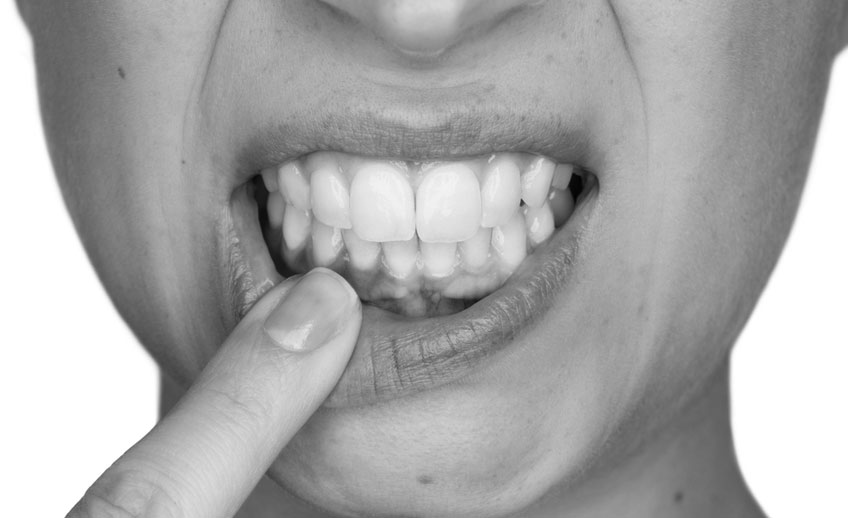
What You Should Know About Periodontal Disease
Periodontal disease is a common infection which damages the gums and alveolar bone surrounding one’s teeth. If left untreated, the condition can worsen and cause you to lose the affected teeth, in addition to causing other systemic health problems, such as heart disease. At Green Dental Care, we take this infection very seriously and take the following measures to address it.
The Preliminary Examination
As soon as you come in with a suspected case of periodontal disease, Dr. Green will take some gum measurements to ascertain the size of the gingival pockets. Gingival pockets are the gaps between one’s teeth and gums. If this pocket measures 3mm or less, you are regarded as normal. Bigger pockets which are 4-5mm wide signal gingivitis (the initial stage of periodontal disease). If your dentist in Parker, CO finds that your gingival pockets exceed 5mm, you will be categorized as someone suffering from periodontal disease and in need of urgent treatment.
Another step taken during your initial assessment entails getting intraoral images using a camera. These images reveal where plaque and calculus (tartar) have accumulated around your teeth.
Dr. Chris Green will also order dental x-rays in order to view the condition of the teeth beneath the gumline. The roots of your teeth have soft bone coverings called alveolar bone. Periodontal disease gradually eats away at this bone tissue in an irreversible process. The x-rays help to show to what extent this damage has occurred.
Treating Periodontal Disease
Once all this information has been gathered, Dr. Chris Green will design an appropriate treatment plan to address the specific magnitude of the gum disease. The following are some of the steps taken to treat periodontal disease at Green Dental Care in Parker CO.
Root Planing and Scaling: Root planing and scaling refers to the process by which a dental scaler or ultrasonic instrument is used to remove bacterial pockets and plaque or tartar from beneath the gumline. The objective is to prevent periodontal disease from getting worse. Scaling smoothens the surfaces from which bacteria has been removed so that further colonization doesn’t take place. This treatment procedure is done after administering a local anesthetic to deal with any pain triggered during the procedure.
Medication: Your dentist in Parker, CO may also opt to use medication alongside root scaling and planning as a way to treat periodontal disease. The medications range from prescription antibiotics, antibiotic gels, and prescription mouthwashes and rinses. These target the microorganisms in your gums and teeth in order to bring down inflammation and allow the gums to heal.
Surgery: Some severe cases of periodontal disease may require surgical intervention in order to treat the infection. For example, the professionals at Green Dental Care may recommend flap surgery as the only feasible way to remove the bacteria which is lodged deep within your gum tissue. Flap surgery can also be performed to remove a section of the gum so that what is left fits optimally on the tooth affected by periodontal disease. Tissue and bone grafts may also be performed to cover the parts of roots which have been exposed as a result of periodontal disease.
Regardless of the treatment option selected, Dr. Chris Green will advise you to pay additional attention to your oral care at home. This added vigilance is necessary to prevent recolonization by bacteria.
Your treatment may also require several visits, especially if the problem was extensive. If one visit is enough, another follow-up visit may be scheduled after three months to clean out the gingival pockets and to monitor how well you are healing. Don’t miss this follow-up visit because you will not know whether additional treatment is required or what you received was sufficient.
As already mentioned, the initial stage (gingivitis) of periodontal disease can be reversed by paying more attention to your oral hygiene. As the disease progresses, it causes damage which is irreversible. Contact Green Dental Care and schedule an appointment as soon as you suspect that you could be having periodontal disease. The sooner you commence treatment, the higher the chance that the disease will be stopped before it causes extensive damage to your oral health.