
Why Full Service Dental Offices Are Best

What Dental Cleanings Entail

Why Full Service Dental Offices Are Best

What Dental Cleanings Entail

Explore what questions to ask about full-service dentistry

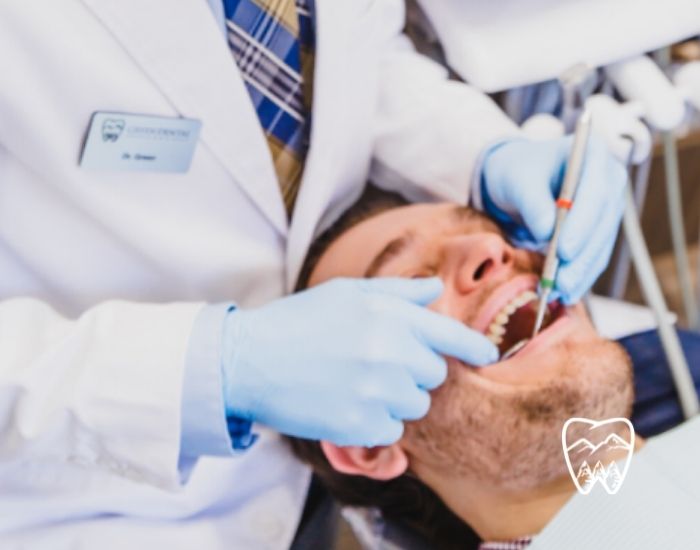
Selecting the right dentist is a crucial decision for your oral health and overall well-being. With numerous dental practices offering a range of services, finding one that aligns with your needs can be a bit tricky. At Green Dental Care, we understand the importance of comprehensive dental care, and we’re here to help you make an informed decision. In this blog, we’ll explore essential questions to ask when considering a full-service dentist and why our team at Green Dental Care is the ideal choice for your dental needs.

What Services Does the Dental Practice Offer?

  • Understanding the range of services a dental practice provides is essential. A full-service dentist should offer preventive, restorative, cosmetic, and emergency dental care. At Green Dental Care, we pride ourselves on offering a comprehensive suite of services to address all aspects of your oral health.

Are Emergency Dental Services Available?

  • Emergencies can happen at any time, and having access to emergency dental care is crucial. Inquire about the availability of emergency services and the process for handling urgent dental issues at Green Dental Care.

What Technologies and Techniques Does the Practice Utilize?

  • State-of-the-art technology and advanced dental techniques contribute to more effective and comfortable treatments. Ask about the technologies and techniques employed by the dental practice, ensuring they stay current with industry advancements. At Green Dental Care, we invest in cutting-edge technology to enhance the quality of care we provide.

Is the Dental Team Experienced and Well-Qualified?

  • The expertise of the dental team is a key factor in delivering high-quality care. Inquire about the qualifications, experience, and ongoing training of the dentists and staff at Green Dental Care. Our team is comprised of skilled professionals dedicated to staying abreast of the latest developments in dentistry.

How Does the Practice Handle Patient Comfort and Anxiety?

  • Dental anxiety is common, and a dentist’s approach to patient comfort is vital. Ask about the practice’s methods for managing anxiety, such as sedation options, a calming environment, or patient education. At Green Dental Care, we prioritize creating a comfortable and welcoming atmosphere for our patients.

How Does the Practice Emphasize Preventive Dentistry?

  • Prevention is a cornerstone of good oral health. Inquire about the practice’s approach to preventive dentistry, including routine check-ups, cleanings, and patient education. Green Dental Care is committed to proactive preventive care to help you maintain a healthy smile.

Contact us today!

Choosing a full-service dentist is a significant decision that involves considering various factors. By asking these essential questions and exploring the offerings at Green Dental Care, you can make an informed choice for your dental care needs. Our team is dedicated to providing a positive and comprehensive dental experience, ensuring your journey to optimal oral health is both comfortable and rewarding. Contact us today to schedule a consultation and discover the difference personalized, full-service dentistry can make for your smile

Is Gum Disease Reversible?

Is Gum Disease Reversible?

Is Gum Disease Reversible?

Is Gum Disease Reversible?

Gum disease, or periodontal disease, affects millions of people in the United States every year. It can cause bad breath, loose teeth, and even tooth loss if it is left untreated. But the good news is that gum disease is reversible if caught in its early stages. Here’s what you need to know about gum disease and how to reverse it.

What Causes Gum Disease?

Gum disease develops when plaque builds up on teeth and gums, not effectively removed by regular brushing and flossing. The bacteria in the plaque irritates and inflames the gums, leading to infection. Untreated, this infection can worsen and spread to other parts of your mouth and jawbone. This can lead to more serious dental problems such as tooth decay or even total tooth loss.

Reversing Gum Disease

Fortunately, there are steps you can take to reverse gum disease before it becomes a bigger problem. Start by practicing good oral hygiene: brush for two minutes twice a day and floss at least once daily. Regular dental check-ups ensure professional cleanings to remove any built-up plaque since your last visit. At these visits, your dentist may recommend treatments like scaling and root planing to remove deep-seated plaque below the gumline.

In more severe cases of gum disease, a periodontist—a specialized type of dentist near you—may recommend surgical options such as pocket depth reduction or flap surgery to remove infected tissue from around the teeth or gums. These procedures help reduce bacterial buildup so that healthy tissue can start growing again in its place.

Contact Green Dental Care Today!

With proper care, gum disease can be reversed before causing severe damage like tooth loss or decay, offering a positive outcome. At Green Dental Care here in Parker CO we believe prevention is key when it comes to reversing gum disease which is why we always stress regular dental checkups so we can spot any potential issues early on and treat them accordingly before they become larger issues down the road. If you think you may have an issue with your gums don’t hesitate – contact us today! We’re here to help!

What Does My Tooth Pain Mean?

What Does My Tooth Pain Mean?

What Does My Tooth Pain Mean?

What Does My Tooth Pain Mean?

When to See Your Parker CO Dentist for Tooth Pain

While toothaches are common, they should not be ignored. Tooth pain can signal an underlying dental issue that requires professional attention. At Green Dental Care, we put our patients first and are here to help you get the dental care you need. Let’s explore what your tooth pain could mean and when it’s time to make an appointment with your Parker CO dentist.

What Does My Tooth Pain Mean?

Tooth pain is a sign that something is wrong with your mouth or teeth. It can range from mild sensitivity to sharp stabbing pains that indicate a more serious problem. Some of the most common causes of tooth pain are cavities, gum disease, or cracked teeth. Cavities occur when bacteria in the mouth break down the enamel on your teeth, leading to decay and eventual infection if left untreated. Gum disease is caused by plaque build-up and can lead to bleeding gums and receding gum lines if not addressed early enough. Cracked teeth can occur due to trauma or wear over time, which can cause pain when chewing or biting down on hard foods.

When Should I See My Parker CO Dentist?

If you experience any type of tooth pain, it’s important to act quickly and make an appointment with your dentist near you as soon as possible. At Green Dental Care, we have experienced dentists on staff who specialize in diagnosing and treating all types of dental issues that may be causing your discomfort. Our team will take the time to listen carefully to your concerns and examine your mouth thoroughly so that we can determine the best course of action for treatment. We will also provide follow-up care as needed in order to ensure that any treatments provided have been successful in resolving the issue at hand.

Contact Us Today!

At Green Dental Care, we understand how uncomfortable tooth pain can be—and how scary it may seem if you don’t know what’s causing it! If you experience any kind of toothache or other discomforts in your mouth, do not hesitate to reach out for professional help from your dentist at Green Dental Care as soon as possible! Our team is here for you every step of the way—from diagnosis through treatment—to help get you feeling like yourself again! Contact us today for quality care from our friendly professionals!

Signs You Need A Root Canal

Signs You Need A Root Canal

Signs You Need A Root Canal

When To Consider A Root Canal

A root canal is a common procedure that dental patients may need to consider at some point in their life. This treatment is recommended for deep cavities, infections, or pulp inflammation in a tooth. But how can you tell if you actually need a root canal? Let’s discuss some of the signs that point to this dental treatment.

Painful Toothache

One of the most common signs that you may need a root canal is a painful toothache. Tooth pain while biting and sensitivity to hot/cold foods may signal a tooth pulp infection. It’s important to consult with your Parker CO dentist if you are having any type of pain in your mouth.

Discoloration of Teeth

Another indication that you may need a root canal is discoloration or darkening of your teeth. Discoloration may indicate bacterial build-up in your tooth, suggesting the start or spread of an infection. Your dentist in Parker CO will examine these areas closely during regular checkups but it’s important for patients to be aware of any changes in coloration between visits.

Swollen Gums

Swollen gums may signal a potential need for a root canal, suggesting an infection near the tooth roots. Swollen gums, though common with gum disease, shouldn’t be ignored, as they might indicate a more serious underlying issue. If swelling persists after treating existing conditions like gum disease or cavities, it could mean that bacteria has infiltrated further into the roots and needs immediate attention from your dentist near you.

Contact Us Today!

At Green Dental Care, we empathize with the discomfort of toothaches and related issues, such as potential infections or tooth discolorations. Call us if you notice changes in your oral health for timely diagnosis and treatment, preventing permanent damage from prolonged exposure or untreated conditions. Contact us today for help determining whether a root canal might be right for you!

Best Treatments For Teeth Sensitivity

Best Treatments For Teeth Sensitivity

Best Treatments For Teeth Sensitivity

Best Treatments For Teeth Sensitivity

Treating Teeth Sensitivity at Green Dental Care in Parker CO

Teeth sensitivity can be a real annoyance. Whether it’s drinking cold water or eating something sweet, many people experience pain and discomfort in their teeth. Fortunately, there are treatments available to help reduce the sensitivity. Here is a guide to understanding what causes teeth sensitivity and some of the best treatments available.

Causes of Teeth Sensitivity

Exposed dentin, beneath the enamel, typically causes tooth sensitivity. Enamel erosion or gum recession exposes dentin, causing tooth pain and discomfort. Enamel erosion can result from abrasive brushing, acidic foods, teeth grinding, and medical conditions like acid reflux.

Fluoride Treatment

One of the simplest and most effective methods for reducing tooth sensitivity is to apply fluoride directly to your teeth. Fluoride strengthens the enamel of your teeth, making them less sensitive to hot or cold temperatures. Regular applications of fluoride can also help reduce plaque buildup, which can lead to gum disease and further sensitivity. Your dentist can apply a fluoride gel or varnish directly to your teeth for maximum effectiveness.

Desensitizing Toothpaste

There is a variety of desensitizing toothpaste on the market that contains ingredients specifically designed to reduce tooth sensitivity. Choose products containing potassium nitrate or strontium chloride—they’ve been shown to lessen tooth sensitivity with regular use. Use desensitizing toothpaste alongside regular brushing and flossing for effective results; it’s not enough on its own!

Root Canal Treatments

If home remedies and over-the-counter solutions don’t provide relief from persistent tooth sensitivity, your dentist in Parker CO may suggest a root canal treatment as a solution. Root canal treatments clean infected root canals, sealing off decay or injury-related cavities. This procedure will effectively eliminate any nerve sensation inside the affected tooth, greatly reducing its sensitivity going forward. Since this is a more invasive treatment option, discuss it thoroughly with your dentist near you before proceeding.

Contact Us Today!

Always consult a qualified dentist before attempting any self-treatment for sensitive teeth. At Green Dental Care in Parker CO we offer an extensive selection of treatments designed specifically for dealing with sensitive teeth, so contact us today if you have any questions about which one might work best for you! We look forward to helping you get back on track toward better oral health!

Why Does My Breath Smell?

Dentist Parker CO

Why Does My Breath Smell?

Dentist Parker CO

Why Does My Breath Smell?

Bad breath, also called halitosis, can be a very embarrassing problem. It’s estimated that up to 50 percent of the population has bad breath at one time or another. The main causes of bad breath are poor oral hygiene and gum disease. However, there are other possible causes of bad breath, such as certain foods, tobacco use, sinus infections, dry mouth, and certain medical conditions.

Do You Have Bad Breath?

If you’re concerned about bad breath, the first step is to visit your Parker CO dentist or primary care doctor for an evaluation. They can determine if the cause is due to a dental problem or a more serious medical condition. There are also over-the-counter products available that can help with bad breath. Improving your oral hygiene habits is the most effective way to prevent and treat bad breath.

Here Are Some Tips For Improving Your Oral Hygiene and Preventing Bad Breath:

– Brush your teeth at least twice a day. Be sure to brush all surfaces of your teeth, including the front, back, and tongue. Use a toothpaste that contains fluoride.
– Floss daily. Flossing removes plaque from areas between your teeth that your toothbrush can’t reach.
– Rinse with an antiseptic mouthwash daily. This will help remove food particles and plaque from your teeth and gums.
– Eat healthy foods and avoid sugary snacks. A healthy diet helps keep your teeth and gums healthy.
– Quit smoking or using tobacco products. Tobacco use is a leading cause of bad breath.
– Drink plenty of water throughout the day. This will help keep your mouth moist and prevent bacteria from growing.
– See your dentist regularly for professional cleanings and checkups. Your dentist can identify early signs of gum disease and other dental problems that may cause bad breath.


Bad breath can be embarrassing and frustrating, but there are things you can do to prevent it. Be sure to visit your dentist near you regularly for professional cleanings and checkups so they can identify any early signs of dental problems that may cause bad breath. Improving your oral hygiene habits is the most effective way to prevent and treat halitosis.

Contact Green Dental Care Today!

Bad breath, also known as halitosis, can be embarrassing and frustrating. In some cases, it may be an indication of a more serious dental problem. If you are concerned about your bad breath, contact Green Dental Care today. Our team of experienced dentists in Parker CO can help to identify the cause of your bad breath and develop a treatment plan that is right for you. We understand how important it is to maintain fresh breath, and we will work with you to find a solution that meets your needs. Schedule an appointment today, and let us help you get your confidence back.

Signs You May Have Tooth Decay

Signs You May Have Tooth Decay

Signs You May Have Tooth Decay

Signs You May Have Tooth Decay

What Are Some Signs You May Have Tooth Decay?

Your dental health is critical to your overall wellness. One of the essential strategies to maintain your teeth in excellent condition and avoid additional difficulties is to prevent tooth decay or cavities.

According to the Centers for Disease Control and Prevention, about 30% of American adults have untreated dental cavities. Cavities that go untreated can ruin your teeth and lead to more serious problems. That’s why it’s essential to recognize the symptoms of a tooth cavity and to visit your Parker CO dentist as soon as possible if you suspect you have one.

How Do Dental Cavities Form?

Plaque may form when food and germs accumulate in your teeth. Plaque bacteria create acids that have the potential to damage the enamel on the surface of your teeth. Brushing and flossing your teeth regularly can help remove the sticky plaque. However, if plaque is allowed to accumulate, it can eat away at your teeth and cause cavities.

A cavity is a hole that develops in your tooth. A cavity, if left untreated, can eventually damage your teeth to the point of infection. Untreated cavities can also lead to more serious consequences, such as a tooth abscess or an infection that spreads to your bloodstream, which can be fatal.

Plaque is more likely to form in the following areas of your mouth:

  • Chewing surfaces of your molars, where food particles can accumulate in the grooves and crevices
  • Between your teeth,
  • The bottom of your teeth near your gums

Eating foods that stick to your teeth regularly may also raise your chance of developing a cavity. Examples of these foods are

  • ice cream
  • dried fruits
  • soda
  • hard candy
  • chips
  • fruit juice
  • sweet meals such as cake, cookies, and gummy candies

Although children are more likely to develop cavities, adults are always in danger, especially when gums recede away from the teeth, exposing the roots to plaque.

Indications Of A Cavity

Various symptoms may suggest the onset of a cavity. There are also other red signals that an existing cavity grows in size. Here are some of the most typical symptoms of a cavity.

Sensitivity To Heat and Cold

Sensitivity that persists after consuming hot or cold foods might indicate the presence of a cavity. In addition, when the enamel on your tooth begins to wear away, the dentin, the hard tissue layer beneath the enamel, might be affected. Dentin is made up of thousands of small hollow tubes.

Foods that are hot, cold, sticky, or acidic might excite the cells and nerves inside your tooth when there isn’t enough enamel to protect the dentin. This is what causes your sensitivity.

Persistent Sweet Sensitivity

As talked about by our friends at Kissing Camel Family Dentistry dentist in Colorado Springs CO says that heat and cold are the most prevalent sensitivities associated with tooth decay, I believe residual sensitivity to sweets and sugary drinks can also indicate dental disease. A persistent ache from sweets, like temperature sensitivity, is typically the consequence of enamel damage and, more precisely, the beginning of a cavity.

Tooth Pain

A persistent aching in one or more of your teeth may suggest the presence of a cavity. One of the most frequent signs of a cavity is discomfort.

This soreness might occur unexpectedly or as a result of anything you eat. This involves soreness and pain in or around your mouth. You may also experience discomfort and pressure when you bite down on food.

Tooth Staining

White patches on your teeth may be the first sign of a stain. The stain may get darker as the tooth decay progresses. Cavity staining can be brown, black, or white, and it usually develops on the tooth’s surface.

A Tooth With A Hole or Pit In It

If the white spot on your tooth (which indicates the beginning of a cavity) worsens, you will have a hole or pit in your tooth, which you may be able to see in the mirror or feel when you run your tongue over the surface of your teeth.

Some holes, particularly those between your teeth or in crevices, are not visible or feelable. However, you may still have discomfort or sensitivity in the cavity area.

Make an appointment with your dentist in Parker CO if you see a hole or pit in your tooth. This is an obvious indication of tooth decay.

Contact Green Dental Care Today

If you feel the need to contact a dentist near you our team of experts is here to assist you in any way possible. Give us a call today to schedule an appointment today to see if we can get to the root of the problem you may have.