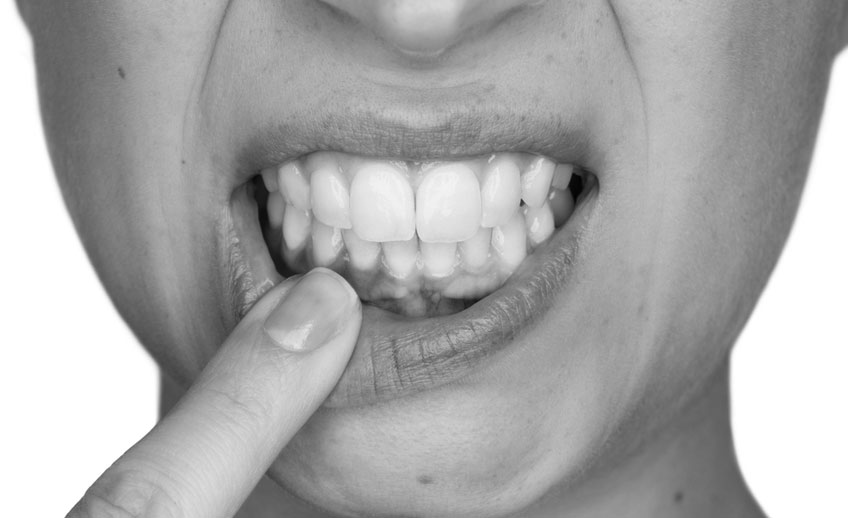

Tips on Keeping Your Gums Healthy

Tips on Keeping Your Gums Healthy December 9
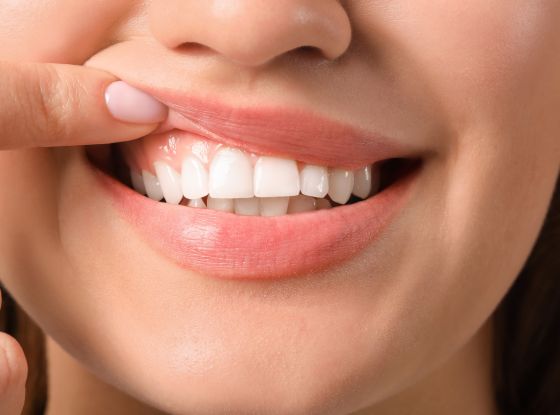
Tips on Keeping Your Gums Healthy

Tips on Keeping Your Gums Healthy December 9

Shielding Your Smile: Essential Tips for Maintaining Healthy Gums in Parker, CO

Maintaining healthy gums is essential for overall oral health and can significantly impact your quality of life. At Green Dental Care, the best dentist in Parker, CO, we understand the importance of gum health and are committed to helping our patients achieve and maintain it. We’ll explore practical tips for keeping your gums healthy and reducing the risk of gum disease.

Understanding Gum Disease

Gum disease, or periodontal disease, is an infection of the tissues that surround and support your teeth. It typically begins with gingivitis, characterized by swollen, bleeding gums. If left untreated, gingivitis can progress to periodontitis, a more severe form of gum disease that can lead to tooth loss and other serious health issues. To prevent these complications, it’s crucial to adopt good oral hygiene practices and be aware of the signs of gum disease.

Tips for Keeping Your Gums Healthy

1. Practice Good Oral Hygiene: The foundation of healthy gums lies in good oral hygiene. Brush your teeth at least twice a day using fluoride toothpaste. Ensure that you brush for at least two minutes each time, paying close attention to the gumline, as plaque tends to accumulate in this area. Additionally, floss daily to remove food particles and plaque from between your teeth and along the gumline, where your toothbrush may not reach.

2. Use an Antimicrobial Mouthwash: Incorporating an antimicrobial mouthwash into your oral care routine can help reduce plaque buildup and kill bacteria that contribute to gum disease. Look for a mouthwash that is alcohol-free and specifically designed to target gum health. Swishing with mouthwash can also help freshen your breath and enhance your overall oral hygiene.

3. Maintain a Balanced Diet: A nutritious diet plays a significant role in maintaining healthy gums. Foods rich in vitamins and minerals, particularly vitamin C and calcium, support gum health and help your body fight infections. Include plenty of fruits, vegetables, whole grains, lean proteins, and dairy products in your diet. Avoid sugary snacks and drinks, as they can contribute to plaque formation and increase the risk of gum disease.

4. Stay Hydrated: Drinking plenty of water throughout the day is essential for maintaining saliva production, which helps wash away food particles and bacteria. Staying hydrated also supports overall oral health and helps prevent dry mouth, a condition that can increase the risk of gum disease and tooth decay. Aim to drink at least eight glasses of water daily.

5. Quit Smoking: If you smoke or use tobacco products, quitting is one of the best things you can do for your gum health. Smoking weakens your immune system, making it harder for your body to fight off gum infections. It also reduces blood flow to the gums, hindering the healing process. Seek support and resources to help you quit, and consult with your dentist for additional advice.

6. Schedule Regular Dental Checkups: Regular visits to the dentist are vital for maintaining healthy gums. At Green Dental Care, we recommend scheduling dental checkups every six months or as advised by your dentist. During these visits, our team will conduct a thorough examination of your gums, perform professional cleanings, and identify any early signs of gum disease. Early detection and treatment are key to preventing more serious issues down the line.

7. Recognize Warning Signs: Being proactive about your gum health means knowing the warning signs of gum disease. Look out for symptoms such as:

  • Red, swollen, or tender gums
  • Gums that bleed during brushing or flossing
  • Persistent bad breath
  • Receding gums
  • Loose teeth

If you notice any of these signs, contact Green Dental Care promptly for evaluation and treatment.

8. Use Proper Brushing and Flossing Techniques: Using the correct brushing and flossing techniques is essential for maintaining healthy gums. When brushing, use gentle, circular motions, and avoid aggressive scrubbing, which can irritate your gums. For flossing, gently slide the floss between your teeth and curve it around the base of each tooth to remove plaque without damaging the gum tissue.

Contact Us

Keeping your gums healthy is vital for your overall oral health and well-being. By practicing good oral hygiene, maintaining a balanced diet, staying hydrated, and scheduling regular dental checkups, you can significantly reduce the risk of gum disease. At Green Dental Care, the best dentist in Parker, CO, we are dedicated to helping you achieve and maintain optimal gum health. If you have any concerns about your gum health or would like to schedule an appointment, don’t hesitate to contact us today. Your smile and gum health are our top priorities!

Is Gum Disease Reversible?

Is Gum Disease Reversible?

Is Gum Disease Reversible?

Is Gum Disease Reversible?

Gum disease, or periodontal disease, affects millions of people in the United States every year. It can cause bad breath, loose teeth, and even tooth loss if it is left untreated. But the good news is that gum disease is reversible if caught in its early stages. Here’s what you need to know about gum disease and how to reverse it.

What Causes Gum Disease?

Gum disease develops when plaque builds up on teeth and gums, not effectively removed by regular brushing and flossing. The bacteria in the plaque irritates and inflames the gums, leading to infection. Untreated, this infection can worsen and spread to other parts of your mouth and jawbone. This can lead to more serious dental problems such as tooth decay or even total tooth loss.

Reversing Gum Disease

Fortunately, there are steps you can take to reverse gum disease before it becomes a bigger problem. Start by practicing good oral hygiene: brush for two minutes twice a day and floss at least once daily. Regular dental check-ups ensure professional cleanings to remove any built-up plaque since your last visit. At these visits, your dentist may recommend treatments like scaling and root planing to remove deep-seated plaque below the gumline.

In more severe cases of gum disease, a periodontist—a specialized type of dentist near you—may recommend surgical options such as pocket depth reduction or flap surgery to remove infected tissue from around the teeth or gums. These procedures help reduce bacterial buildup so that healthy tissue can start growing again in its place.

Contact Green Dental Care Today!

With proper care, gum disease can be reversed before causing severe damage like tooth loss or decay, offering a positive outcome. At Green Dental Care here in Parker CO we believe prevention is key when it comes to reversing gum disease which is why we always stress regular dental checkups so we can spot any potential issues early on and treat them accordingly before they become larger issues down the road. If you think you may have an issue with your gums don’t hesitate – contact us today! We’re here to help!

Treatments for Gum Disease

Periodontics-Gum-Disease-colorado

Treatments for Gum Disease

Periodontics-Gum-Disease-colorado

Gum disease refers to gum inflammation that gradually progresses to a level where the bone and other support tissues around your teeth become affected. Gum disease is identified by three clearly distinct stages (gingivitis, periodontitis and advanced periodontitis). Research done by the CDC (Centers for Disease Control and Prevention) found that nearly half of all Americans aged 30 and above suffer from periodontitis. While the disease may be common, the doctors at Green Dental Care assert that the progression of this disease can be arrested at any stage. The following are some of the available treatments for gum disease.

Nonsurgical Treatment for Gum Disease

The first way to treat periodontitis involves a nonsurgical approach called scaling and root planing (SRP). This conservative treatment can be done by a hygienist at Green Dental Care or by either Dr. Christopher Green or Dr. Andrei Ionescu. 

The process entails scraping the surface of the teeth and the roots in order to remove any calculus (tartar) and plaque that has accumulated there. After scaling, the treated surfaces are smoothened so that there are no rough spots where bacteria can thrive.

Dr. Christopher Green, an experienced dentist in Parker CO, explains that more than one visit is normally needed to complete the SRP treatment. Have no worries about pain; a local anesthetic will ensure that you will hardly feel any discomfort while you are being treated.

After a few weeks, the Parker CO dentist will examine you to see how well you are healing. If everything is okay, no further treatment will be recommended. If you aren’t healing as expected, then additional SRP may be done or another treatment option may be tried.

Pocket Reduction Surgery

After scaling and root planing, if deep gingival pockets (the gaps between the gums and the teeth) remain, another step that may be taken is to schedule pocket reduction surgery. Dr. Andrei Ionescu, a dentist in Parker CO, explains this process. The gum tissue is folded back so that the bacteria hidden behind the flap is removed. The sections of the bone damaged by bacteria are also smoothed so that your gums can reattach to your teeth again.

Gum Graft Surgery

When periodontal disease advances, it can cause gum recession that makes the roots of your teeth to be exposed. Sensitivity and other problems result from this exposure.  To fix this situation, the team at Green Dental Care may perform gum graft surgery.

Dr. Kacos a dentist in Shreveport LA, explains that the gum tissue will be taken from elsewhere, such as from your palate, and placed on the most affected roots of your teeth. Your teeth will no longer be sensitive and root decay will be arrested by this surgical intervention.

Must-Knows About Periodontal Disease

Periodontics-Gum-Disease-colorado

Must-Knows About Periodontal Disease

Periodontics-Gum-Disease-colorado

What You Should Know About Periodontal Disease

Periodontal disease is a common infection which damages the gums and alveolar bone surrounding one’s teeth. If left untreated, the condition can worsen and cause you to lose the affected teeth, in addition to causing other systemic health problems, such as heart disease. At Green Dental Care, we take this infection very seriously and take the following measures to address it.

The Preliminary Examination

As soon as you come in with a suspected case of periodontal disease, Dr. Green will take some gum measurements to ascertain the size of the gingival pockets. Gingival pockets are the gaps between one’s teeth and gums. If this pocket measures 3mm or less, you are regarded as normal. Bigger pockets which are 4-5mm wide signal gingivitis (the initial stage of periodontal disease). If your dentist in Parker, CO finds that your gingival pockets exceed 5mm, you will be categorized as someone suffering from periodontal disease and in need of urgent treatment.

Another step taken during your initial assessment entails getting intraoral images using a camera. These images reveal where plaque and calculus (tartar) have accumulated around your teeth.

Dr. Chris Green will also order dental x-rays in order to view the condition of the teeth beneath the gumline. The roots of your teeth have soft bone coverings called alveolar bone. Periodontal disease gradually eats away at this bone tissue in an irreversible process. The x-rays help to show to what extent this damage has occurred.

Treating Periodontal Disease

Once all this information has been gathered, Dr. Chris Green will design an appropriate treatment plan to address the specific magnitude of the gum disease. The following are some of the steps taken to treat periodontal disease at Green Dental Care in Parker CO.

Root Planing and Scaling: Root planing and scaling refers to the process by which a dental scaler or ultrasonic instrument is used to remove bacterial pockets and plaque or tartar from beneath the gumline. The objective is to prevent periodontal disease from getting worse. Scaling smoothens the surfaces from which bacteria has been removed so that further colonization doesn’t take place. This treatment procedure is done after administering a local anesthetic to deal with any pain triggered during the procedure.

Medication: Your dentist in Parker, CO may also opt to use medication alongside root scaling and planning as a way to treat periodontal disease. The medications range from prescription antibiotics, antibiotic gels, and prescription mouthwashes and rinses. These target the microorganisms in your gums and teeth in order to bring down inflammation and allow the gums to heal.

Surgery: Some severe cases of periodontal disease may require surgical intervention in order to treat the infection. For example, the professionals at Green Dental Care may recommend flap surgery as the only feasible way to remove the bacteria which is lodged deep within your gum tissue. Flap surgery can also be performed to remove a section of the gum so that what is left fits optimally on the tooth affected by periodontal disease. Tissue and bone grafts may also be performed to cover the parts of roots which have been exposed as a result of periodontal disease.

Regardless of the treatment option selected, Dr. Chris Green will advise you to pay additional attention to your oral care at home. This added vigilance is necessary to prevent recolonization by bacteria.

Your treatment may also require several visits, especially if the problem was extensive. If one visit is enough, another follow-up visit may be scheduled after three months to clean out the gingival pockets and to monitor how well you are healing. Don’t miss this follow-up visit because you will not know whether additional treatment is required or what you received was sufficient.

As already mentioned, the initial stage (gingivitis) of periodontal disease can be reversed by paying more attention to your oral hygiene. As the disease progresses, it causes damage which is irreversible. Contact Green Dental Care and schedule an appointment as soon as you suspect that you could be having periodontal disease. The sooner you commence treatment, the higher the chance that the disease will be stopped before it causes extensive damage to your oral health.