
Oral Hygiene Routine for Healthy Teeth

Oral Hygiene Routine for Healthy Teeth
Oral Hygiene Routine for Healthy Teeth

Oral Hygiene Routine for Healthy Teeth

A Bright Routine: Oral Hygiene Tips for Maintaining Healthy Teeth from Green Dental Care

Maintaining a proper oral hygiene routine is essential for ensuring healthy teeth and gums. At Green Dental Care, the best dentist in Parker, CO, we emphasize the importance of regular dental care practices that can help you achieve optimal oral health. We will outline an effective oral hygiene routine, share valuable tips, and explain why each step is crucial for maintaining a beautiful smile.

Brush Your Teeth Twice a Day

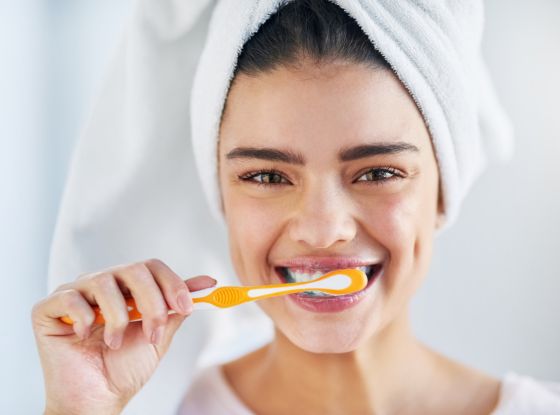
Brushing your teeth is the foundation of an effective oral hygiene routine. Make sure to:

  • Use the Right Toothbrush: Choose a soft-bristled toothbrush that is gentle on your gums. An electric toothbrush can also be beneficial, as it can provide a more thorough cleaning.

  • Select a Fluoride Toothpaste: Fluoride strengthens tooth enamel and helps prevent cavities. Look for toothpaste that carries the American Dental Association (ADA) Seal of Acceptance.

  • Brush for Two Minutes: Spend at least two minutes brushing your teeth twice a day—once in the morning and once before bed. Divide your mouth into four quadrants, spending 30 seconds on each.

  • Use Proper Technique: Angle your toothbrush at 45 degrees to your gum line. Use gentle, circular motions to brush the outer, inner, and chewing surfaces of your teeth. Don’t forget to brush your tongue to remove bacteria and freshen your breath!

Floss Daily

Flossing is an essential part of your oral hygiene routine that many people overlook. It helps remove plaque and food particles from between your teeth and along the gum line. Here’s how to floss effectively:

  • Choose the Right Floss: Use dental floss, dental tape, or an interdental brush to clean between your teeth. Choose a product that you find easy to use.

  • Floss at Least Once a Day: Make it a habit to floss daily, preferably before brushing your teeth at night.

  • Use Proper Technique: Gently slide the floss between your teeth, following the curve of each tooth. Avoid snapping the floss, as this can damage your gums. Instead, use a gentle sawing motion to remove debris.

Rinse with Mouthwash

Mouthwash can be a beneficial addition to your oral hygiene routine. It helps kill bacteria, freshen breath, and provide an extra layer of protection against cavities and gum disease. Here’s how to use mouthwash effectively:

  • Choose an Alcohol-Free Mouthwash: Look for a mouthwash that is alcohol-free, as alcohol can dry out your mouth and irritate your gums.

  • Follow the Instructions: Use mouthwash after brushing and flossing, swishing it around your mouth for the recommended time (usually 30 seconds to one minute).

  • Do Not Rinse with Water Immediately After: Allow the active ingredients in the mouthwash to work by avoiding rinsing your mouth with water right after use.

Maintain a Balanced Diet

What you eat plays a significant role in your oral health. Incorporate the following foods into your diet for healthier teeth:

  • Fruits and Vegetables: Crunchy fruits and vegetables, like apples and carrots, can help clean your teeth and stimulate your gums.

  • Dairy Products: Foods rich in calcium, such as yogurt and cheese, strengthen your teeth and bones.

  • Whole Grains: Whole grains provide essential nutrients and fiber that can support overall health, including oral health.

  • Limit Sugary and Acidic Foods: Reduce your intake of sugary snacks and acidic beverages (like soda and citrus juices), which can erode tooth enamel and contribute to cavities.

Stay Hydrated

Drinking water is essential for maintaining good oral health. Water helps rinse away food particles and bacteria that can lead to plaque buildup. Additionally, staying hydrated keeps your saliva flowing, which is crucial for neutralizing acids and protecting your teeth. Aim to drink plenty of water throughout the day, especially after meals.

Visit Your Dentist Regularly

Regular dental check-ups are essential for maintaining optimal oral health. At Green Dental Care, we recommend scheduling visits at least twice a year for professional cleanings and examinations. During these appointments, your dentist will:

  • Identify Issues Early: Regular check-ups allow your dentist to catch potential problems early, such as cavities or gum disease, before they become more serious.

  • Professional Cleanings: A dental hygienist will perform a thorough cleaning, removing plaque and tartar buildup that regular brushing and flossing may miss.

  • Personalized Advice: Your dentist can provide personalized recommendations based on your oral health needs, helping you improve your routine.

Contact Us

Establishing and maintaining an effective oral hygiene routine is crucial for achieving and maintaining healthy teeth and gums. By following these steps—brushing twice a day, flossing daily, rinsing with mouthwash, maintaining a balanced diet, staying hydrated, and visiting your dentist regularly—you can significantly improve your oral health. At Green Dental Care, the best dentist in Parker, CO, we are dedicated to helping you achieve a healthy, beautiful smile. If you have any questions or need assistance with your oral hygiene routine, don’t hesitate to reach out to our team!

Tips on Keeping Your Gums Healthy

Tips on Keeping Your Gums Healthy December 9

Tips on Keeping Your Gums Healthy

Tips on Keeping Your Gums Healthy December 9

Shielding Your Smile: Essential Tips for Maintaining Healthy Gums in Parker, CO

Maintaining healthy gums is essential for overall oral health and can significantly impact your quality of life. At Green Dental Care, the best dentist in Parker, CO, we understand the importance of gum health and are committed to helping our patients achieve and maintain it. We’ll explore practical tips for keeping your gums healthy and reducing the risk of gum disease.

Understanding Gum Disease

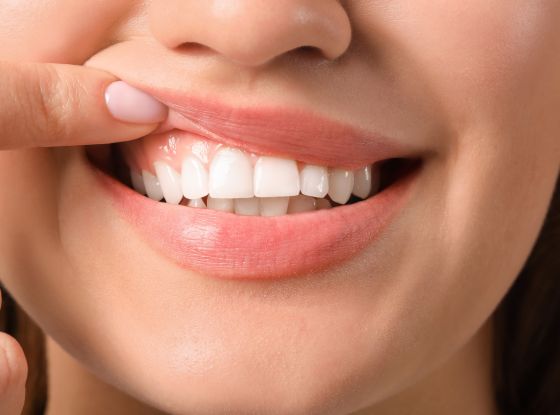
Gum disease, or periodontal disease, is an infection of the tissues that surround and support your teeth. It typically begins with gingivitis, characterized by swollen, bleeding gums. If left untreated, gingivitis can progress to periodontitis, a more severe form of gum disease that can lead to tooth loss and other serious health issues. To prevent these complications, it’s crucial to adopt good oral hygiene practices and be aware of the signs of gum disease.

Tips for Keeping Your Gums Healthy

1. Practice Good Oral Hygiene: The foundation of healthy gums lies in good oral hygiene. Brush your teeth at least twice a day using fluoride toothpaste. Ensure that you brush for at least two minutes each time, paying close attention to the gumline, as plaque tends to accumulate in this area. Additionally, floss daily to remove food particles and plaque from between your teeth and along the gumline, where your toothbrush may not reach.

2. Use an Antimicrobial Mouthwash: Incorporating an antimicrobial mouthwash into your oral care routine can help reduce plaque buildup and kill bacteria that contribute to gum disease. Look for a mouthwash that is alcohol-free and specifically designed to target gum health. Swishing with mouthwash can also help freshen your breath and enhance your overall oral hygiene.

3. Maintain a Balanced Diet: A nutritious diet plays a significant role in maintaining healthy gums. Foods rich in vitamins and minerals, particularly vitamin C and calcium, support gum health and help your body fight infections. Include plenty of fruits, vegetables, whole grains, lean proteins, and dairy products in your diet. Avoid sugary snacks and drinks, as they can contribute to plaque formation and increase the risk of gum disease.

4. Stay Hydrated: Drinking plenty of water throughout the day is essential for maintaining saliva production, which helps wash away food particles and bacteria. Staying hydrated also supports overall oral health and helps prevent dry mouth, a condition that can increase the risk of gum disease and tooth decay. Aim to drink at least eight glasses of water daily.

5. Quit Smoking: If you smoke or use tobacco products, quitting is one of the best things you can do for your gum health. Smoking weakens your immune system, making it harder for your body to fight off gum infections. It also reduces blood flow to the gums, hindering the healing process. Seek support and resources to help you quit, and consult with your dentist for additional advice.

6. Schedule Regular Dental Checkups: Regular visits to the dentist are vital for maintaining healthy gums. At Green Dental Care, we recommend scheduling dental checkups every six months or as advised by your dentist. During these visits, our team will conduct a thorough examination of your gums, perform professional cleanings, and identify any early signs of gum disease. Early detection and treatment are key to preventing more serious issues down the line.

7. Recognize Warning Signs: Being proactive about your gum health means knowing the warning signs of gum disease. Look out for symptoms such as:

  • Red, swollen, or tender gums
  • Gums that bleed during brushing or flossing
  • Persistent bad breath
  • Receding gums
  • Loose teeth

If you notice any of these signs, contact Green Dental Care promptly for evaluation and treatment.

8. Use Proper Brushing and Flossing Techniques: Using the correct brushing and flossing techniques is essential for maintaining healthy gums. When brushing, use gentle, circular motions, and avoid aggressive scrubbing, which can irritate your gums. For flossing, gently slide the floss between your teeth and curve it around the base of each tooth to remove plaque without damaging the gum tissue.

Contact Us

Keeping your gums healthy is vital for your overall oral health and well-being. By practicing good oral hygiene, maintaining a balanced diet, staying hydrated, and scheduling regular dental checkups, you can significantly reduce the risk of gum disease. At Green Dental Care, the best dentist in Parker, CO, we are dedicated to helping you achieve and maintain optimal gum health. If you have any concerns about your gum health or would like to schedule an appointment, don’t hesitate to contact us today. Your smile and gum health are our top priorities!

Maintaining Good Oral Hygiene Habits

Maintaining Good Oral Hygiene Habits September 16

Maintaining Good Oral Hygiene Habits

Maintaining Good Oral Hygiene Habits September 16

Preventing Dental Problems: Tips from Green Dental Care to Keep Your Smile Healthy

Prevention is key in dental health, as the saying goes, “prevention is better than cure”. At Green Dental Care, we empower patients to take control of their oral health and prevent dental problems. With the help of our experienced team, including the best dentist in Parker, CO, here are some valuable tips to keep your smile healthy and vibrant.

Regular Dental Checkups and Cleanings

One of the most effective ways to prevent dental problems is by scheduling regular checkups and cleanings with the best dentist in Parker, CO. Our team at Green Dental Care dedicates itself to providing top-quality, personalized care in a comfortable environment. During your visit, our skilled professionals will thoroughly examine your oral health and provide personalized recommendations for a healthy smile.

Proper Oral Hygiene Practices

Maintaining proper oral hygiene is essential for preventing dental problems. Brushing twice a day and daily flossing remove plaque and food particles that cause cavities and gum disease. Our team at Green Dental Care can guide you on effective brushing and flossing techniques for clean teeth and gums.

Healthy Diet and Lifestyle Choices

A balanced diet plays a significant role in maintaining good oral health. Limiting sugary and acidic foods and beverages can help prevent tooth decay and erosion. Additionally, avoiding tobacco products and excessive alcohol consumption can contribute to a healthier smile. Our team can advise on dental-friendly diets and provide resources for healthy lifestyle changes.

Protective Dental Treatments

In some cases, we may recommend preventive dental treatments to safeguard your oral health. Sealants, fluoride treatments, and custom mouthguards can prevent cavities, strengthen enamel, and protect teeth from injury. Our best dentist in Parker, CO, will assess your individual needs and recommend the most appropriate preventive treatments for you.

Education and Awareness

At Green Dental Care, we believe that education is key to preventing dental problems. Our team dedicates itself to educating about dental issues, proper hygiene, and regular checkups. Stay informed to prevent dental issues and maintain a healthy smile.

Embracing Technology for Preventive Care

Advancements in dental technology have revolutionized preventive care, making it easier and more effective to keep your smile healthy. At Green Dental Care, we utilize state-of-the-art technology to provide accurate diagnoses, personalized treatment plans, and comfortable dental experiences. Our advanced tools help us identify and address dental issues early.

Contact Us

Preventing dental problems requires proactive measures, regular professional care, and good oral hygiene habits. Partner with the best dentist in Parker, CO at Green Dental Care for a healthy smile. If you’re ready to prioritize your oral health and work with a team that is dedicated to providing top-quality care, contact Green Dental Care today to schedule your next dental checkup. Together, we can keep your smile healthy and vibrant through preventive dental care. Remember, your smile is worth protecting, and at Green Dental Care, we’re here to help you do just that!

Oral Health and Overall Wellness

Oral Health and Overall Wellness June 17

Oral Health and Overall Wellness

Oral Health and Overall Wellness June 17

Understanding the Link Between Oral Health and Overall Wellness

In the pursuit of holistic well-being, we often focus on physical fitness, mental health, and nutrition, but one crucial aspect often overlooked is oral health. Surprisingly, the condition of our teeth and gums plays a significant role in our overall wellness. At Green Dental Care, recognized as the premier dental practice in Parker, CO, we believe in educating our patients about this vital connection and providing comprehensive dental care that promotes both oral health and overall wellness.

Oral Health: A Window to Your Overall Well-Being

Your mouth serves as a gateway to the rest of your body, and its health is closely intertwined with your systemic well-being. Poor oral hygiene and untreated dental issues can lead to various health problems beyond the confines of your mouth. Research has shown strong links between oral health and conditions such as cardiovascular disease, diabetes, respiratory infections, and even Alzheimer’s disease. Therefore, maintaining good oral health is not just about a bright smile; it’s about safeguarding your entire body.

Preventing Systemic Health Complications Through Dental Care

Regular dental check-ups and proper oral hygiene are fundamental in preventing dental issues that can contribute to systemic health complications. Routine cleanings and exams at Green Dental Care allow our expert dental team to detect early signs of gum disease, cavities, and oral infections. By addressing these issues promptly, we help prevent them from escalating into more severe health concerns.

Gum Disease: A Red Flag for Systemic Health Risks

Gum disease, in particular, has been linked to numerous systemic health problems. The bacteria associated with gum disease can enter the bloodstream and travel to other parts of the body, triggering inflammation and potentially exacerbating existing health conditions. Conditions such as diabetes, heart disease, and rheumatoid arthritis have been found to be more prevalent and severe in individuals with untreated gum disease. By maintaining healthy gums through proper oral hygiene and regular dental care, you can mitigate these risks and support your overall wellness.

Oral Health and Mental Well-Being

The impact of oral health extends beyond physical health; it also influences mental well-being. Dental issues such as tooth loss, chronic pain, or oral infections can significantly affect an individual’s quality of life, leading to discomfort, self-consciousness, and even social withdrawal. Conversely, a healthy smile contributes to confidence, self-esteem, and positive social interactions, enhancing mental and emotional wellness.

The Role of Nutrition in Oral and Overall Health

Nutrition plays a crucial role in both oral health and overall wellness. A balanced diet rich in essential nutrients, vitamins, and minerals supports healthy teeth and gums while bolstering the body’s immune system. Conversely, a diet high in sugar, processed foods, and acidic beverages can increase the risk of tooth decay, gum disease, and systemic health problems. At Green Dental Care, we emphasize the importance of nutrition in maintaining optimal oral and overall health and provide dietary guidance to our patients.

Lifestyle Factors and Their Impact on Oral Health

Various lifestyle factors, such as smoking, excessive alcohol consumption, and poor stress management, can negatively impact oral health and overall wellness. Smoking, for instance, not only stains teeth and increases the risk of gum disease but also raises the likelihood of developing serious health conditions like cancer and heart disease. By adopting healthy lifestyle habits and seeking support when needed, individuals can protect their oral health and enhance their overall well-being.

Contact Us

At Green Dental Care, we recognize the intricate connection between oral health and overall wellness. Our commitment to providing exceptional dental care extends beyond addressing immediate dental concerns; we strive to empower our patients with the knowledge and tools they need to achieve comprehensive wellness. As the best dental practice in Parker, CO, we invite you to partner with us on your journey to a healthier smile and a happier, healthier life.

Whether you’re due for a routine check-up or seeking guidance on improving your oral health habits, our team is here to support you every step of the way. Schedule an appointment with Green Dental Care today and experience the transformative power of comprehensive dental care for yourself.

Facts About Older Adult Oral Health

Facts About Older Adult Oral Health

Facts About Older Adult Oral Health

Facts About Oral Health for Older Adults

As you age, your oral health becomes more important than ever before. Even if you’ve kept up with regular check-ups and cleanings throughout the years, it’s essential to stay aware of changes that may arise as you continue to get older. Understanding these changes can help ensure that your oral health remains in top shape for years to come. If you’re searching for a dentist near Parker, CO, look no further! Here at Green Dental Care, we’re dedicated to providing personalized care and are here to provide helpful information on all aspects of dentistry — including treatment options specifically designed for older patients. Read on as we discuss five key facts about adult oral health that everyone should know!

What are the common oral health issues faced by older and as we age, oral health concerns become increasingly important. However, with proper care and attention, these issues can be easily managed. Older adults commonly experience tooth decay, gum disease, and dry mouth. Tooth decay can be prevented by maintaining a strict dental hygiene regimen and avoiding sugary foods and drinks. Gum disease can be addressed through regular dental cleanings and by not smoking. Combat dry mouth with saliva substitutes or ample water intake. With these simple steps, older adults can maintain a healthy smile and improve their overall well-being. Proper brushing and flossing are essential for lifelong oral hygiene. Regular brushing and flossing can prevent plaque buildup, which can lead to tooth decay and gum disease. Not only does good oral hygiene help maintain a healthy smile, but it can also improve overall health. Studies have linked poor oral health to several chronic conditions such as heart disease, diabetes, and respiratory infections. Adopting daily brushing and flossing ensures dental health and prevents unnecessary expenses. So, make sure to take good care of your teeth by brushing and flossing regularly, and smile confidently!

How can older adults maintain healthy gums, teeth, and overall oral health

Healthy gums, teeth, and overall oral health are essential for older adults to maintain their quality of life. Proper care ensures bright smiles and healthy mouths. Maintain oral health as an older adult through daily brushing, a nutritious diet, avoiding sugary foods, and regular dentist visits. Consistent effort and a positive attitude ensure older adults maintain healthy mouths and radiant smiles.

The role of diet in promoting good oral health among seniors

As we age, it becomes increasingly important to prioritize our oral health. Fortunately, there are many steps seniors can take to maintain a healthy smile and prevent oral health issues. One important factor is diet. Eat a balanced diet for senior oral health and to prevent tooth decay. Don’t let age keep you from enjoying your favorite foods. Rather, focus on incorporating nutritious options and staying hydrated to keep your teeth and gums healthy and strong. With a little effort and attention, seniors can maintain a beautiful, healthy smile for years to come!

How to detect warning signs of gum disease or other oral health problems

Maintaining good oral health is essential for overall well-being. However, gum disease and other dental problems can sometimes go unnoticed until they become severe. Thus, it’s crucial to be aware of the warning signs that indicate potential issues in your oral health. Common signs include bleeding gums, chronic bad breath, loose teeth, and gum recession. If you experience these symptoms, visit your dentist promptly for early diagnosis and treatment. Remember, regular dental checkups and proper oral hygiene practices can help prevent oral health problems before they start. So let’s stay vigilant and keep our dental health in tip-top condition!

The benefits of regular dental check-ups for seniors

Regular dental check-ups can be incredibly beneficial for seniors. As we age, our dental health can often deteriorate, leading to various issues such as cavities and gum disease. Scheduled check-ups help seniors maintain oral health, prevent issues, and catch problems early. A healthy mouth improves overall quality of life, enhancing self-esteem, speech, and nutrition. Regular dental check-ups help seniors maintain oral health and overall wellness.

Contact Us Today

In conclusion, as you age your oral health care needs can change significantly. It is important to recognize the importance and implications of proper brushing and flossing throughout life, but especially when you are older. Eating a balanced, nutrient-rich diet is also beneficial in maintaining good oral health in seniors. You should also always be aware of any warning signs of gum disease or other oral health problems and attend regular dental checkups to ensure all is well with your mouth. Fortunately, armed with the knowledge we have just shared, it should be relatively simple for seniors to maintain a healthy smile into old age! Contact us today at Green Dental Care to schedule an appointment today!

Why Does My Breath Smell?

Dentist Parker CO

Why Does My Breath Smell?

Dentist Parker CO

Why Does My Breath Smell?

Bad breath, also called halitosis, can be a very embarrassing problem. It’s estimated that up to 50 percent of the population has bad breath at one time or another. The main causes of bad breath are poor oral hygiene and gum disease. However, there are other possible causes of bad breath, such as certain foods, tobacco use, sinus infections, dry mouth, and certain medical conditions.

Do You Have Bad Breath?

If you’re concerned about bad breath, the first step is to visit your Parker CO dentist or primary care doctor for an evaluation. They can determine if the cause is due to a dental problem or a more serious medical condition. There are also over-the-counter products available that can help with bad breath. Improving your oral hygiene habits is the most effective way to prevent and treat bad breath.

Here Are Some Tips For Improving Your Oral Hygiene and Preventing Bad Breath:

– Brush your teeth at least twice a day. Be sure to brush all surfaces of your teeth, including the front, back, and tongue. Use a toothpaste that contains fluoride.
– Floss daily. Flossing removes plaque from areas between your teeth that your toothbrush can’t reach.
– Rinse with an antiseptic mouthwash daily. This will help remove food particles and plaque from your teeth and gums.
– Eat healthy foods and avoid sugary snacks. A healthy diet helps keep your teeth and gums healthy.
– Quit smoking or using tobacco products. Tobacco use is a leading cause of bad breath.
– Drink plenty of water throughout the day. This will help keep your mouth moist and prevent bacteria from growing.
– See your dentist regularly for professional cleanings and checkups. Your dentist can identify early signs of gum disease and other dental problems that may cause bad breath.


Bad breath can be embarrassing and frustrating, but there are things you can do to prevent it. Be sure to visit your dentist near you regularly for professional cleanings and checkups so they can identify any early signs of dental problems that may cause bad breath. Improving your oral hygiene habits is the most effective way to prevent and treat halitosis.

Contact Green Dental Care Today!

Bad breath, also known as halitosis, can be embarrassing and frustrating. In some cases, it may be an indication of a more serious dental problem. If you are concerned about your bad breath, contact Green Dental Care today. Our team of experienced dentists in Parker CO can help to identify the cause of your bad breath and develop a treatment plan that is right for you. We understand how important it is to maintain fresh breath, and we will work with you to find a solution that meets your needs. Schedule an appointment today, and let us help you get your confidence back.

How Often Should I Change My Toothbrush?

How Often Should I Change My Toothbrush?

How Often Should I Change My Toothbrush?

How Often Should I Change My Toothbrush?

Even though most of us are aware that our toothbrushes are not supposed to last forever. However, determining whether our beloved bristles are reaching the end of their natural existence may be difficult. You might be startled to learn that you should replace your toothbrush every 3 to 4 months according to manufacturer standards recommendations from your dentist in Parker CO

How Long Should I Keep My Toothbrush and When Should I Replace It?

Our Parker CO Dentist explains that, in some circumstances, you may need to change your toothbrush sooner. If you don’t change your toothbrush or electronic toothbrush head on time, it might harm your oral health and transmit illness.

How Frequently Should You Replace Your Toothbrush?

Dr. Green, the best dentist in Parker CO, explains that the microorganisms that cause gum disease, tooth decay, and foul breath are all combated by your toothbrush.

To navigate the smallest crevices in your mouth, choose straight bristles and a clean, easy-to-grip handle. A soft bristle brush will efficiently remove old food and bacteria from the bases of your teeth.

If you wash your teeth for 2 minutes twice a day, you’re already making efforts to prevent your teeth against cavities. Brushing your teeth following each meal and after a sweet snack is an additional action you may take to avoid tooth disease. Brushing twice a day or more is still considered usual for a manual toothbrush. However, within 3 months of using your brush, the bristles will begin to fall out and get damaged or twisted. When the bristles on your toothbrush begin to lose their hardness, it’s nearly time to throw it out. Likewise, your toothbrush will rapidly lose effectiveness if it lacks bristles to clean away food and plaque.

When Should You Replace the Head of an Electric Toothbrush?

By rapidly rotating or vibrating, electric toothbrush heads clean the surface area of your teeth. These toothbrush heads still feature nylon bristles, which can wear out with repeated usage. Furthermore, our dental office Parker CO explains that because the bristles are shorter, they may fray more easily.

We should be replacing the toothbrush head on your electric toothbrush every 12 weeks, if not sooner. When it’s time to replace a brush head, look for signs of wear and tear on the bristles.

Reasons to Replace Your Toothbrush

If you or any of your family member has been sick, it is a good idea to change your toothbrush as well as everyone else’s toothbrush in your home. There are infections caused by viruses and bacteria, such as strep throat, that are of special concern and are an excellent reason to replace your old toothbrush with a new one.

Because youngsters may crush on a toothbrush head or bite on the handle, you should replace their toothbrushes more frequently than every three months. Don’t forget to keep an eye on your youngster when they’re brushing their teeth to make sure they’re not exposing their brush head to anything other than their teeth. If someone else uses your toothbrush by accident, throw it away. It’s better to be safe than sorry since everyone’s mouth has germs that differ from yours.

How to Look After Your Toothbrush

Treat your toothbrush like any other personal grooming or hygiene equipment to get the most out of it. Our friend Dr. Hobfoll, kids dentist Salt Lake City, explains that even with members of your immediate family, it is not a good idea to share your toothbrush.  If you store your toothbrush in a cup or container with other toothbrushes, try not to let the heads of the toothbrushes touch.

After brushing, thoroughly rinse your toothbrush with tap water. It does not require the use of a disinfectant, mouthwash, or hot water to be sanitized. Attempting to “sanitize” a toothbrush in this manner may result in the spread of germs.

You don’t even need a specific locked container to keep your toothbrush clean while not in use. Some of these containers may promote mold development or the spread of germs.

Factors to Consider When Using Toothbrush

The nylon bristles of your toothbrush are exposed to water and the chemicals in your toothpaste every time you use it. With each usage, the bristles get a bit weaker. Bristle flaring occurs when bristles bend and twist into a new form.

At least two previous research on worn toothbrush heads indicated that older toothbrushes are much less effective at eliminating plaque, which causes gum disease and tooth damage.

Takeaway

Your toothbrush is an important piece of oral hygiene equipment. To extend the life of your toothbrush, use just your own toothbrush, store it upright, and let it air dry.

We should be planning to replace the household toothbrushes every 3 to 4 months and record the date so we remember when it’s the right time to replace them again.

Contact Green Dental Care today for Preventative Care

We are here to answer any of your dental questions. Schedule your appointment for a dental cleaning today in Parker CO. 

Treatments for Gum Disease

Periodontics-Gum-Disease-colorado

Treatments for Gum Disease

Periodontics-Gum-Disease-colorado

Gum disease refers to gum inflammation that gradually progresses to a level where the bone and other support tissues around your teeth become affected. Gum disease is identified by three clearly distinct stages (gingivitis, periodontitis and advanced periodontitis). Research done by the CDC (Centers for Disease Control and Prevention) found that nearly half of all Americans aged 30 and above suffer from periodontitis. While the disease may be common, the doctors at Green Dental Care assert that the progression of this disease can be arrested at any stage. The following are some of the available treatments for gum disease.

Nonsurgical Treatment for Gum Disease

The first way to treat periodontitis involves a nonsurgical approach called scaling and root planing (SRP). This conservative treatment can be done by a hygienist at Green Dental Care or by either Dr. Christopher Green or Dr. Andrei Ionescu. 

The process entails scraping the surface of the teeth and the roots in order to remove any calculus (tartar) and plaque that has accumulated there. After scaling, the treated surfaces are smoothened so that there are no rough spots where bacteria can thrive.

Dr. Christopher Green, an experienced dentist in Parker CO, explains that more than one visit is normally needed to complete the SRP treatment. Have no worries about pain; a local anesthetic will ensure that you will hardly feel any discomfort while you are being treated.

After a few weeks, the Parker CO dentist will examine you to see how well you are healing. If everything is okay, no further treatment will be recommended. If you aren’t healing as expected, then additional SRP may be done or another treatment option may be tried.

Pocket Reduction Surgery

After scaling and root planing, if deep gingival pockets (the gaps between the gums and the teeth) remain, another step that may be taken is to schedule pocket reduction surgery. Dr. Andrei Ionescu, a dentist in Parker CO, explains this process. The gum tissue is folded back so that the bacteria hidden behind the flap is removed. The sections of the bone damaged by bacteria are also smoothed so that your gums can reattach to your teeth again.

Gum Graft Surgery

When periodontal disease advances, it can cause gum recession that makes the roots of your teeth to be exposed. Sensitivity and other problems result from this exposure.  To fix this situation, the team at Green Dental Care may perform gum graft surgery.

Dr. Kacos a dentist in Shreveport LA, explains that the gum tissue will be taken from elsewhere, such as from your palate, and placed on the most affected roots of your teeth. Your teeth will no longer be sensitive and root decay will be arrested by this surgical intervention.

Tooth-Friendly Holiday Treats

tooth-friendly holiday treats - Green Dental Care

Tooth-Friendly Holiday Treats

tooth-friendly holiday treats - Green Dental Care

The amount of sugar that you and your family consume plays a key role in dental health problems. The amount of sugar consumed on a daily basis often shoots up dramatically over the holiday season, and that in turn triggers a range of dental problems, such as cavities and gum infections. This year, Green Dental Care in Parker, CO, would like you and your family to enjoy the holidays, but we strongly encourage you to eat healthy snacks and meals. Here are some tooth-friendly holiday treats that you can be on the lookout this holiday season.

Gingerbread

Most sugar cookies have a huge load of added sugar, but you can opt for gingerbread. Typically, gingerbread requires less than half a cup of sugar. Dr. Christopher Green, the best dentist in Parker, CO, explains that gingerbread cookies have a lot of fiber, which is good for your overall health.

Almond Cookies

The dental care experts at Green Dental Care point out that almonds are great for your health. For this reason, you should consider trying out cookie recipes that contain almonds. Almond-based cookies are great for your health and contain a lot less sugar than other cookies.

Pumpkin Pies

Pumpkin pies, a common treat during the holidays, can be one of the healthiest snacks that your family can enjoy! Only as long as you set aside the whipped cream. Pumpkin pies contain lots of fiber. To make sure you’re sticking to tooth-friendly holiday treats, the dental health professionals at Green Dental Care recommend that you make your own pumpkin pies at home. That way, you can decide how much sugar you add. 

Chocolate-Covered Strawberries

Our friend, Dr. Tim Lyons, an orthodontist in Fair Oaks, CA, recommends chocolate-covered holidays because what would the holidays be without the color red? Hard to imagine! Well, your family can get all the red they need in strawberries. These berries have a huge load of nutrients, especially vitamins. Strawberries are the perfect healthy snack for the whole family! If you want something sweeter, try dipping your strawberries in dark chocolate! Dark chocolate is an excellent source of antioxidants.

Tweak the Holiday Meals Too

Let’s not forget that choosing healthy meals are just as important. It’s difficult during the holidays because so many of our favorite dishes contain high sodium and sugar. For example, Dr. Christopher Green singles out sweet potato recipes as typically containing marshmallows and caramelized brown sugar. To make such recipes more tooth-friendly, avoid adding the marshmallows or the caramelized brown sugar to keep the meal tasty but having less sugar.

Cranberry sauce can also be a good ingredient to use in your holiday meals, especially if you use it in a low-sugar recipe. Cranberries are good for the teeth because they kill oral bacteria, thereby keeping cavities and periodontal disease at bay.

Moderation is Key

Dr. Christopher Green, a Parker CO dentist, wants you to keep one more thing in mind during the holidays. Moderation is necessary. Since the consumption of large amounts of low-sugar treats can also have a detrimental effect on your dental and overall health. Once the holidays are over, visit Green Dental Care. Dr. Christopher Green will assess your dental health and fix any dental problems that developed during the holidays.

The Benefits of Fluoride Treatments

The Benefits of Fluoride Treatments

benefits of fluoride treatments

Fluoride is a naturally-occurring mineral that has been discovered to have protective effects on teeth. This substance can be put on your teeth as a gel, mouth rinse or varnish. Once on the surface of your teeth, it soaks into the tubules (tiny holes) in order to kill any bacteria there and strengthen the enamel of your teeth. In this article, you’ll discover why you need to get fluoride treatments at Green Dental Care at least twice each year.

Why Fluoride Treatments are Good for You

Remineralization. Fluoride treatments help to restore minerals to tooth surfaces that have had these minerals eroded by acidic food and drinks. Bacterial activity also erodes tooth surfaces, and regular fluoride treatments at Green Dental Care can help to restore those minerals so that the teeth retain or regain their strength.

Prevents cavities. Fluoride also helps to combat tooth decay in both children and adults. We asked our friend, Dr. Ben Kacos, a dentist in Shreveport, LA, about the benefits of fluoride. Dr. Kacos explains that fluoride goes in and kills any bacteria which is lodged in the tubules of your teeth. The fluoride also fills the tiny microscopic holes formed in the initial stages of tooth decay. This prevents the decay from progressing into the deeper layers of the teeth.

Reducing the cost of dental care. The modest fee that you pay for a fluoride treatment at Green Dental Care in Parker, CO pays off massively in the savings you make on dental care costs. The protective effects of the fluoride on your teeth mean that you will have fewer caries or tooth decay, and that means that the money you would have spent on treatment for these conditions is saved.

Preserves your perfect smile. As already mentioned, fluoride protects your teeth from various problems, such as gum recession due to gingivitis and teeth discoloration since the fluoride fills the tubules and makes it harder for stains to form. Regular fluoride treatments at Green Dental Care, therefore, increase the odds of having your beautiful smile for your entire life.

Preventing teeth sensitivity. As enamel is eroded due to bacterial activity and acidic eats and drinks, the soft dentine is exposed and your teeth can become sensitive each time you consume hot or cold substances. Fluoride gets into the tiny pits formed in your teeth and prevents the softer dentine from being exposed, hence averting sensitivity.

How Often Should I Get a Fluoride Treatment?

For most patients, Dr. Chris Green recommends that they get a fluoride treatment once every six months. However, the frequency of treatments can vary depending on a variety of factors. For instance, Parker, CO dentists recommend that people who face a higher risk of caries, such as those with poor oral hygiene habits and those with limited or no saliva production, get fluoride treatments once every three months. For some people, even a single fluoride treatment in 12 months may suffice.

The exact frequency of fluoride treatments that you need will, therefore, be determined after Dr. Chris Green examines your teeth and recommends the best frequency of treatments for you.

How Are the Fluoride Treatments Done?

The most common way through which a fluoride treatment is administered at Green Dental Care is by “painting” it on the surface of your teeth. This layer of fluoride stays on your teeth for 4-6 hours before you can brush your teeth to remove the excess fluoride.

Fluoride treatments can also be administered by the use of a tray which is fitted onto your teeth for the required duration. Your dentist in Parker, CO will then remove the tray and ask you to brush your teeth.

Alternatively, the Parker, CO dentist may give you a fluoride mouthwash and ask you to rinse your teeth with it for a few seconds after which you spit out the liquid. After a set interval, you can brush your teeth once the fluoride has penetrated the surface of your teeth.

How Soon Can I Eat After a Fluoride Treatment?

Dr. Chris Green may ask you to wait for about 30 minutes before you eat anything. This precaution is intended to prevent what you eat from washing away the recently applied fluoride on your teeth.

However, it is also possible to eat right away after you have had a fluoride treatment as long as you don’t consume anything very hot or sticky. The hot food or drinks may melt the fluoride from your teeth, while the sticky eats can adhere to the fluoride and remove it from the surface of your teeth.

As you can see, fluoride treatments are simple, yet packed with benefits for your oral health. Contact Green Dental Care today if you haven’t had a fluoride treatment in more than six months. Our friendly staff will clean your teeth and administer this protective treatment so that you can enjoy a lifetime of good dental health.